
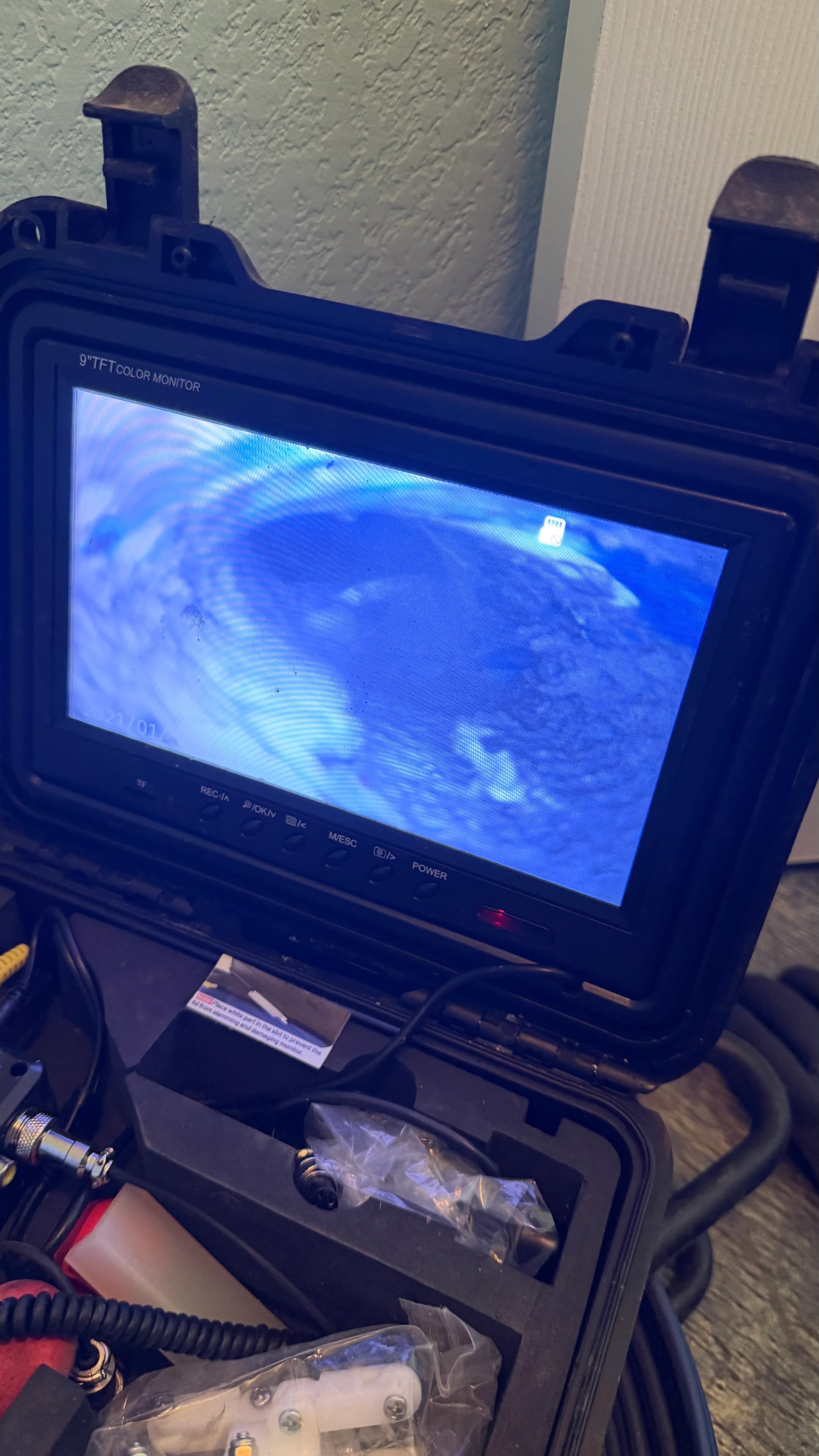
When a toilet keeps clogging even after a plunger, the problem is usually deeper than what you can see from the bowl. That’s when a plumber may bring in a camera. A toilet clog camera inspection helps locate the blockage in the drain line, so the service option is based on facts instead of guesswork. For homeowners in Austin and Marble Falls, that can save a lot of time, mess, and repeat trips to the hardware store. ## Why a Toilet That Keeps Clogging Usually Needs More Than a Plunger A toilet that backs up once in a while is annoying. A toilet that clogs again a few days later is trying to tell you something. The issue may be a partial blockage, a buildup of paper or debris, or an obstruction farther down the drain line. ### What’s happening inside the pipe A toilet doesn’t always clog right at the bowl. In many homes, the water may move through the toilet fine at first, then slow down as it hits: - a narrowing in the line - a buildup of wipes, paper, or foreign objects - mineral scale from hard water - a low spot in the drain where waste collects - root intrusion or pipe damage in the sewer line That’s why a stubborn toilet clog can be so frustrating. You may clear the bowl, but the real blockage is still sitting in the pipe. ### Why repeated plunging can make things worse If the clog is deeper in the line, repeated plunging can force water back and forth without solving the actual problem. In some cases, it can even pack the blockage tighter. A plumber uses a camera to see whether the clog is close enough for simple cleaning or whether it needs a more targeted drain cleaning approach. ## How a Drain Camera Inspection Finds the Real Problem A drain camera inspection is exactly what it sounds like: a small waterproof camera is fed into the drain line so the plumber can see what’s going on inside. The live monitor shows the pipe in real time, which makes it much easier to diagnose a stubborn toilet clog accurately. ### What the camera can reveal A good inspection can show: 1. The exact location of the blockage 2. Whether the pipe is filled with soft debris, wipes, or paper 3. Mineral buildup that is reducing the pipe opening 4. Cracks, offsets, or sagging sections of pipe 5. Tree roots entering the line That visual confirmation matters. If the clog is near the toilet, it may be a fast fix. If the problem is deeper in the line, the plumber can recommend the right drain cleaning service instead of guessing. ### A real-world example from a homeowner Picture a family in Austin with a toilet that clogs every few days. They’ve already tried a plunger and even a store-bought auger. A camera inspection might show that the toilet is actually draining into a partially blocked line where wipes and mineral scale have narrowed the pipe. In that case, the toilet isn’t the problem by itself—the drain line is. That kind of clarity helps the homeowner understand the issue in plain English and decide on the service option with confidence. ## What a Plumber Looks For During the Inspection A camera inspection is not just about spotting a clog. It’s about understanding the condition of the drain line so the fix lasts. ### Soft blockage vs. hard blockage A plumber wants to know whether the clog is: - Soft and removable: paper, waste, or buildup that can often be cleared with drain cleaning equipment - Hard or structural: roots, broken pipe, or a collapsed section that may need a different repair plan That distinction is important because the wrong method can waste time or leave the problem unresolved. ### Signs of a bigger issue The camera may also show warning signs like: - standing water in the pipe - heavy scale buildup - repeated debris collecting in one spot - pipe joints that have shifted - root intrusion from nearby landscaping If the toilet is only one fixture acting up, the issue may be localized. If multiple drains are slow too, the problem could be in the main line. That’s where a plumber’s experience really helps connect the dots. ## When the Problem Is DIY, When It Can Wait, and When It’s Urgent Not every toilet clog needs immediate service, but not every clog should be treated like a simple inconvenience either. ### Usually DIY-manageable You can probably handle it yourself if: - the toilet clogs once and then works normally - the water level rises but drains after one careful plunge - there’s no sewage smell or backup in other fixtures - the issue started after too much toilet paper or an occasional accidental flush If you’re using a plunger, stick to a toilet-specific flange plunger and avoid aggressive chemical drain cleaners. Those products often don’t help and can make future service messier. ### Schedule soon It’s time to book an inspection if: - the same toilet keeps clogging - the bowl drains slowly even after plunging - you hear gurgling from nearby drains - the toilet overflows only a little, but the pattern keeps repeating - you suspect wipes, feminine products, or other non-flushable items went down the line This is the point where a drain cleaning services visit can prevent a bigger backup later. ### Urgent right away Call for prompt help if: - sewage is backing up into the tub, shower, or another toilet - you smell strong sewer gas indoors - multiple drains are backing up at once - water is rising high enough to overflow - the toilet clog happened after a sudden gurgling or bubbling sound in several fixtures That usually points to a deeper drain or main line issue, not just a simple bowl clog. ## Why Austin and Marble Falls Homes See More Drain Trouble Central Texas homes deal with a few factors that can make a stubborn toilet clog more likely. ### Hard water buildup Austin and Marble Falls both have plenty of homes where hard water leaves mineral deposits behind over time. In a toilet drain line, that buildup can reduce the pipe’s interior space. The drain still works for a while, but it becomes easier for paper or debris to catch and create a clog. ### Heat and shifting soil Long stretches of heat and dry weather can affect the ground around older plumbing. In some neighborhoods, that means pipes settle or shift slightly, which can create a low spot where waste collects. A camera inspection helps identify those trouble areas without tearing up the yard first. ### Older pipes and trees Many local properties have mature trees and older underground lines. Tree roots naturally chase moisture, and if there’s a small opening in the sewer line, roots can find it. A camera is one of the clearest ways to confirm whether the issue is a simple blockage or a bigger line problem. ## What Happens After the Camera Finds the Clog Once the plumber sees what’s inside the line, the fix is much more straightforward. ### Common service options Depending on what the camera shows, the plumber may recommend: - drain snaking for a soft blockage - targeted cleaning for buildup or debris - removing an object lodged in the line - further evaluation if the pipe is damaged or root-filled The benefit of the camera is that the plumber can match the solution to the problem. That usually means less guesswork and a better chance of fixing the issue the first time. ### Why this saves time and stress A camera inspection can prevent unnecessary work, especially when the toilet looks like the problem but the real issue is farther down the line. It also gives the homeowner a clearer picture of what’s happening, which makes it easier to decide whether to keep monitoring the drain or move forward with service. ## Need Help? If your toilet keeps clogging and plunging isn’t solving it, a camera inspection can show what’s really going on inside the drain line. Economy Plumbing Services can help you figure out whether the issue is a simple blockage, a buildup problem, or something deeper in the system. Learn more about our drain cleaning services or explore our Austin drain cleaning if the clog is part of a larger plumbing concern. If the problem sounds familiar, contact our team to talk through the service option.
← All posts
Why a Plumber Uses a Camera to Find a Stubborn Toilet Clog
Learn why plumbers use a toilet clog camera inspection to find stubborn blockages, diagnose drain issues, and fix backups in Austin homes.
Plumbing problem? We can help.
Master plumbers in Austin & Marble Falls since 2012. Upfront pricing, booked in minutes.