
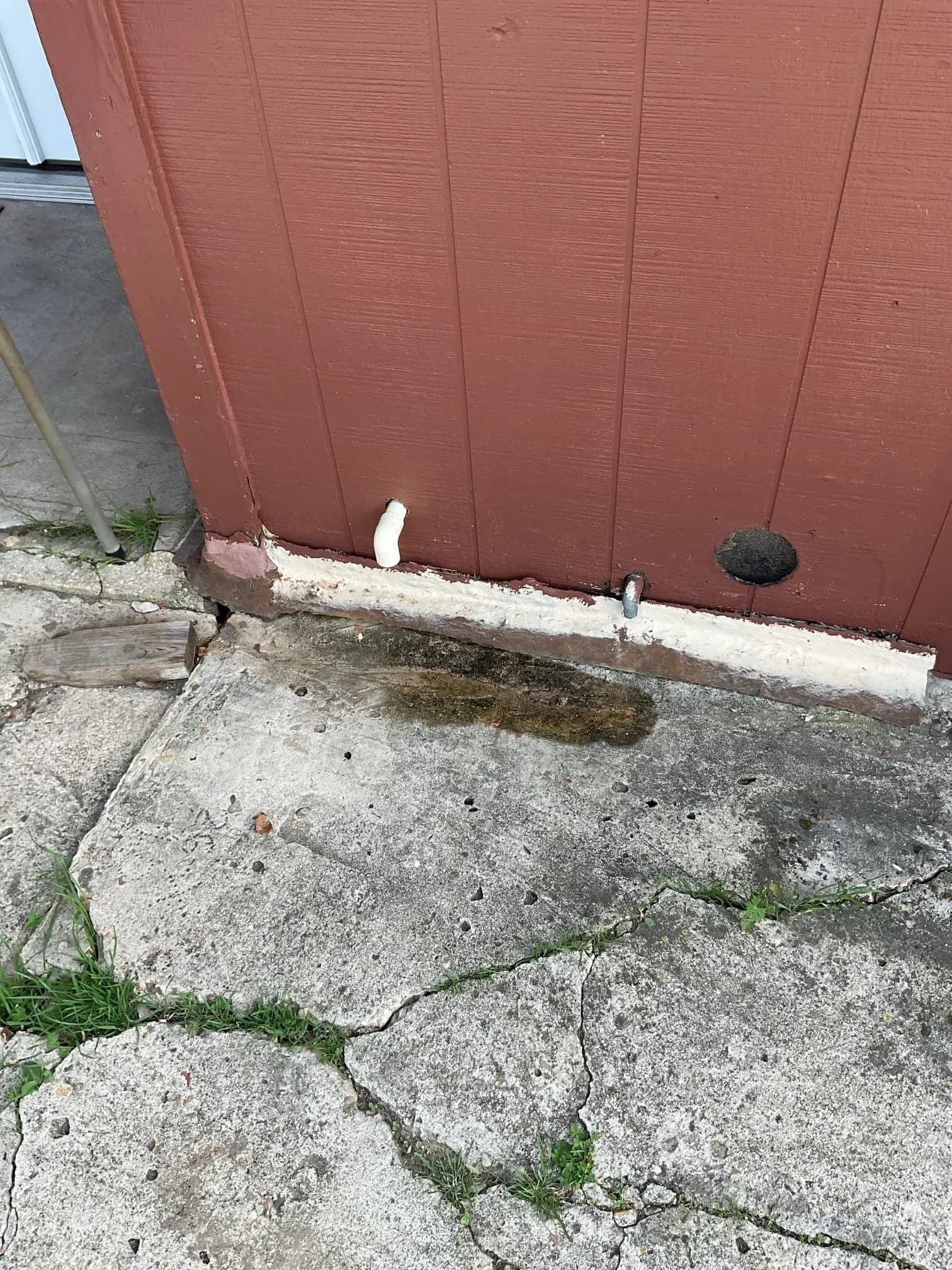
Austin's rainy season can quickly turn your yard from a serene landscape into a waterlogged quagmire, thanks to sudden storm bursts and the region's clay-heavy soil. These conditions make exterior drainage crucial to maintaining the health of your property. But how do you differentiate between a minor inconvenience and a more serious issue? Persistent puddling around your home might seem harmless, yet it can signal significant drainage problems that, if unchecked, could jeopardize your foundation. Understanding the warning signs of drainage trouble is essential for Austin homeowners. Downspout and yard runoff issues often manifest as surface water that lingers longer than it should. While some pooling is natural after heavy rain, particularly in areas with dense clay soil, prolonged water presence might indicate a deeper, underlying problem. Differentiating between surface drainage issues and more serious sewer line concerns is critical. By learning to spot these signs early, you can take steps to protect your home from potential damage.
What Causes Exterior Drainage Problems Around a Home
Exterior drainage problems can sneak up on Austin homeowners, especially during the city's notorious storm bursts. These intense downpours, combined with Austin's clay-heavy soil, can create significant challenges. Clay soil tends to absorb water slowly, leading to surface runoff that might not drain properly, resulting in water pooling around your home. This pooling can become more than just a nuisance, potentially threatening your foundation if not addressed promptly. A common cause of exterior drainage issues is improperly directed downspouts. If your downspouts are not channeling water far enough away from your home, you might notice water accumulation near your foundation. Additionally, yard runoff can exacerbate the problem, especially in sloped areas where water can quickly gather and create erosion or flooding. Distinguishing between surface drainage issues and deeper sewer problems is crucial. Surface issues are often visible, such as water pooling or soggy patches in the yard, while sewer issues might manifest as slow drains or water backing up inside the home. Homeowners should be vigilant for signs like persistent puddling, erosion, or water stains on the foundation. If you notice these warning signs, it might be time to consult a professional to evaluate whether your drainage system needs an upgrade or repair.
Warning Signs Rainwater Is Starting to Work Against Your House As
Austin's rainy season approaches, homeowners should be vigilant for signs that rainwater is beginning to pose a risk to their property. The city's notorious storm bursts, combined with clay-heavy soil, can lead to significant drainage issues if not addressed promptly. One of the first indicators of trouble is persistent puddling in your yard. While temporary pooling after a heavy rain is normal, water that lingers for more than a day or two could suggest improper yard runoff or a blockage in your drainage system. Another red flag is water pooling near your home's foundation. This could indicate that your downspouts are not directing water far enough away from the house, increasing the risk of foundation damage. Homeowners should also be aware of water stains or dampness in the basement, which can hint at deeper drainage or sewer issues. Unlike surface-level puddling, these signs often require professional assessment to determine if there's a more serious problem hidden underground. Keep an eye out for unusual erosion patterns in your yard, such as channels or gullies forming after rain. These can signal that your landscape is not effectively managing runoff, potentially leading to larger erosion problems or even foundation instability if left unchecked.
What You Can Check Safely
After a Heavy Rain After a heavy rain in Austin, it's crucial to inspect your property's exterior drainage to prevent potential damage. Start by checking your downspouts and gutters. Ensure that they are clear of debris and directing water at least five feet away from your foundation. Pooled water near your home can be a sign of improper drainage, especially with Austin's clay-heavy soil, which can exacerbate runoff issues. Next, observe your yard for signs of runoff problems. Look for areas where water tends to accumulate or flow improperly, as this can lead to erosion or even impact your home's foundation over time. However, be cautious when distinguishing between surface drainage issues and deeper sewer problems. If you notice persistent water pooling or slow drainage, it may be time to consider professional Drain Cleaning Services to address potential blockages. While it might be tempting to tackle some of these issues yourself, it's important to recognize when a problem is beyond a DIY fix. Attempting to clear underground drains or sewer lines can pose significant risks and may require specialized equipment. Always prioritize safety and consult professionals when necessary to ensure your home's drainage system is functioning properly.
Why Austin Rain and Soil Conditions Make Drainage Tricky
Austin's unique weather patterns and soil composition can create challenging drainage scenarios for homeowners. The city's clay-heavy soil, known for its low permeability, often struggles to absorb the rapid influx of water from intense storm bursts. This can lead to surface water accumulation, which at first glance might seem like a minor inconvenience but can quickly escalate into a more serious issue if not addressed. During Austin's rainy season, it's crucial to differentiate between simple surface drainage issues and potential threats to your home's foundation. Persistent puddling near downspouts or in your yard might indicate that water isn't being channeled away effectively, posing a risk of soil erosion or water seeping into the foundation. On the other hand, if you notice water pooling in unexpected areas or a sudden increase in water levels near your property, it could signal a deeper sewer problem. To help identify these issues, consider the following local factors:
- Clay Soil Expansion: Austin's clay soil can expand when wet, putting pressure on foundations.
- Flash Floods: Quick, heavy rainfalls can overwhelm drainage systems, leading to rapid water buildup.
- Natural Slopes: The city's varied terrain can exacerbate runoff issues if not properly managed.
When to Watch It, Schedule Help, or Treat
It as a Property Risk Understanding when to keep an eye on exterior drainage or when to call in a professional can save you from costly repairs down the line. In Austin, where sudden storm bursts and clay-heavy soil are common, recognizing the severity of drainage issues is crucial. If you notice minor puddling that dissipates quickly after a storm, it might be sufficient to monitor the situation, especially if it occurs in areas away from your foundation. However, if water consistently pools near your home or takes days to drain, it could indicate a more serious issue that requires scheduling professional evaluation. Downspout and yard runoff problems can often be addressed with simple solutions like extending downspouts or regrading the landscape. However, persistent surface water that doesn't drain well may point to a deeper sewer issue, particularly if you notice unpleasant odors or slow drainage inside your home. These signs should be treated as urgent property risks, as they can lead to foundation damage or exacerbate existing structural issues. Consider these criteria to decide your service options:
- Monitor: Minor puddling that resolves quickly.
- Schedule Help: Consistent pooling near the foundation or slow yard drainage.
- Treat as Urgent: Persistent surface water with odors or indoor drainage issues.
Need Help?
If you're noticing persistent puddling or suspect that your drainage issues might be more than just surface-level, it might be time to seek help from a licensed plumber. Austin's unique combination of sudden storm bursts and clay-heavy soil can complicate drainage, making it crucial to differentiate between minor annoyances and potential threats to your home's foundation. Our team is experienced in evaluating these conditions and can help you determine the best course of action. For those who suspect deeper issues like sewer line problems, don't hesitate to explore our Sewer Line Repair services. Addressing these concerns promptly can prevent more significant damage and ensure that your home remains safe and sound throughout Austin's rainy season. Remember, taking early action can save you time and money in the long run.