
If you own a home, duplex, office, or commercial property in Austin, backflow testing probably isn’t the kind of maintenance you think about until someone brings it up. But a backflow preventer is one of those devices that quietly protects your water supply every day, and when it’s due for testing, waiting too long can create real problems. For many property owners, the question isn’t whether backflow matters — it’s whether the device is on schedule, working properly, and compliant with Austin plumbing code. Here’s how to tell what’s required, what to watch for, and when it’s time to call in a licensed plumber. ## What a Backflow Preventer Actually Does A backflow preventer is designed to keep water flowing in one direction: into your property, not back toward the public water supply. That matters any time water pressure drops suddenly or a cross-connection exists between clean water and a system that could contain contaminants. Common situations where backflow can happen include: - A broken water main nearby - Fire sprinkler systems - Irrigation systems with fertilizer or standing water - Commercial equipment connected to water lines - Pressure changes during utility work or heavy water use In plain English, the device is a safety checkpoint. It helps protect drinking water from contamination if the pressure changes in a way it shouldn’t. For Austin property owners, that’s especially important because many homes and businesses have irrigation systems, outdoor hose connections, or specialty plumbing setups that require annual backflow testing or similar inspection schedules depending on the property type. 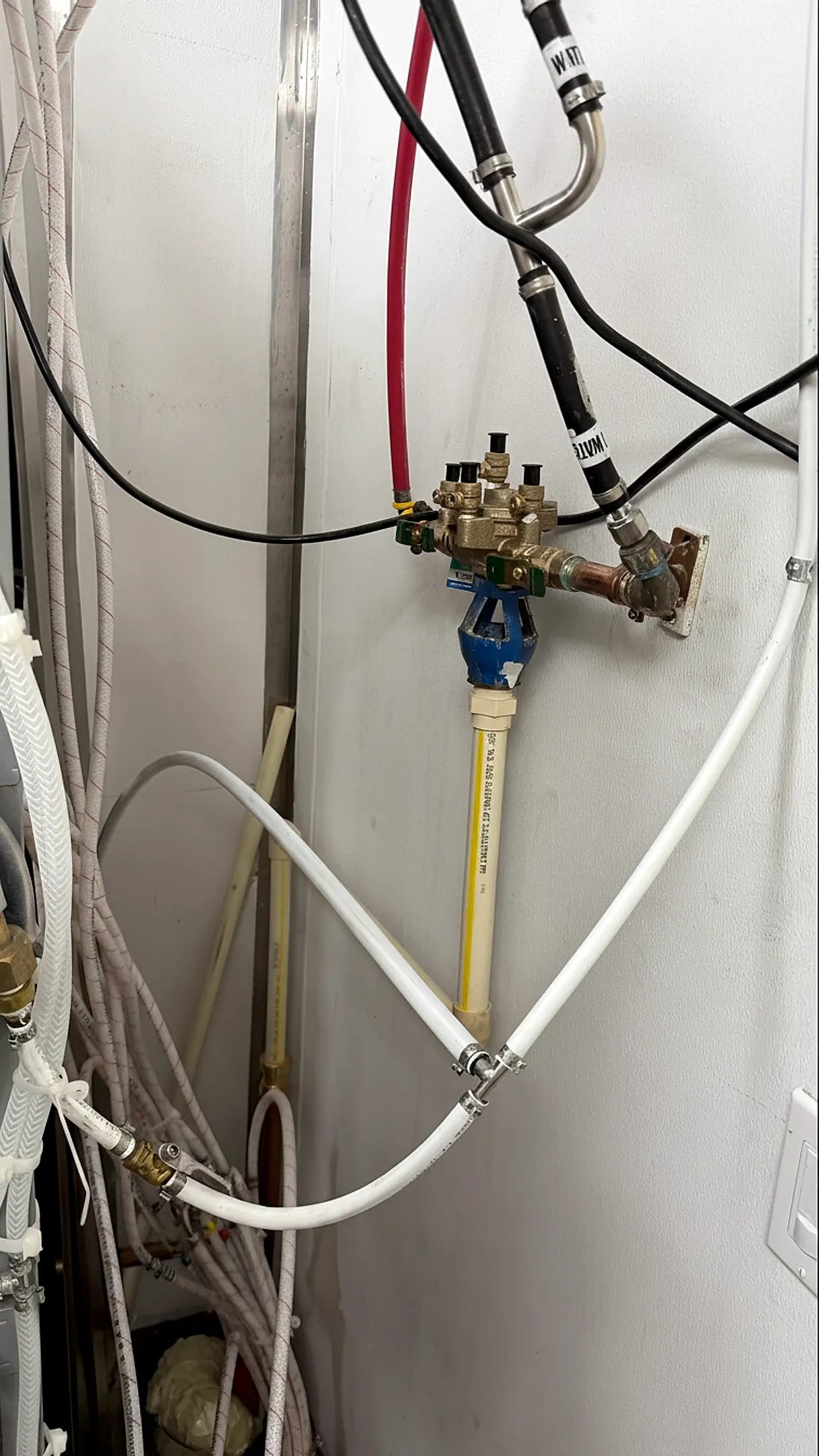 ## Signs Your Backflow Preventer May Be Due for Testing A backflow preventer does not always give you a dramatic warning before it needs attention. In many cases, the issue is simply that the annual test date has come and gone. Still, there are a few signs that should make you take a closer look: ### Your Test Date Is Coming Up or Already Passed Many Austin property owners get on an annual cycle. If you can’t remember the last test, the safest assumption is that it may be due. ### You’ve Had Recent Plumbing or Irrigation Work If a plumber repaired a main line, replaced valves, worked on a sprinkler system, or altered a commercial water line, the backflow device may need to be checked afterward. ### The Device Looks Damaged or Leaking Visible corrosion, water around the assembly, a cracked body, or damaged test ports are all reasons to schedule service sooner rather than later. ### You Received a Notice From the City, HOA, or Property Manager If you manage a rental, condo, retail space, or commercial property, testing notices are usually tied to compliance requirements, not convenience. Don’t ignore them. ### Water Pressure Feels Off in a Connected System A change in pressure doesn’t always mean the backflow preventer is bad, but it does mean something in the system deserves attention. ## What Austin Plumbing Code Means for Property Owners Austin plumbing code and local utility requirements are not just paperwork. They exist because backflow prevention protects the public water system as a whole. In practice, this usually means: - Certain properties must have approved backflow devices installed - Those devices must be tested on a regular schedule - Testing should be completed by a qualified professional - Results may need to be documented and submitted as required If you own a commercial building, multifamily property, or irrigation-heavy home, the rules may be more specific than you expect. Even some residential properties need testing depending on the water use setup. A common mistake is assuming the device is fine because it “looks okay.” Unfortunately, backflow assemblies can fail internally while still appearing normal from the outside. That’s why testing matters — it verifies performance, not just appearance. ## What Happens During Backflow Testing Backflow testing is usually straightforward, but it needs to be done correctly. A licensed plumber or certified tester will typically: 1. Inspect the backflow assembly for visible damage 2. Connect test equipment to the device’s ports 3. Measure whether the internal check valves and relief components are holding pressure properly 4. Record the results 5. Recommend repair or replacement if the device fails The whole point is to confirm that the preventer can still stop contaminated water from moving backward into clean water lines. ### One Real-World Example A homeowner in Central Austin might have an irrigation backflow preventer near the front yard. If the sprinkler system hasn’t been tested in over a year, the device may still be working fine — or it may have a worn seal that only shows up on a pressure test. In either case, testing gives the homeowner a clear answer before a small issue becomes a larger compliance problem. ## Is This a DIY Fix, a Soon-Schedule Item, or Urgent? This is the part many property owners want most: do you need to jump on it today, or can it wait? ### Usually DIY-Manageable You can handle the basics yourself if you’re just trying to keep track of the date: - Find your last test report - Check whether your annual due date is approaching - Look for obvious damage around the device - Make sure landscaping or debris isn’t blocking access That said, actual testing is not a DIY job. It requires the right equipment, training, and reporting process. ### Schedule Soon Book backflow testing soon if: - You’re within a few weeks of the due date - You recently had irrigation or plumbing work done - You manage a rental, office, or retail property - You’re not sure when it was last tested - The device is outdoors and has seen heavy sun exposure or weather wear ### Urgent Call right away if: - The assembly is leaking - The device is visibly broken or tampered with - You received a failed-test notice - You suspect contamination or cross-connection issues - Water quality changed after a plumbing event or city work nearby If you’re unsure where your property falls, it’s better to treat it as a schedule-soon item than to let it slide. ## Why Austin and Marble Falls Properties Need Extra Attention Central Texas weather can be tough on plumbing equipment. Backflow assemblies sit outdoors in intense heat, get hit with UV exposure, and take their share of dust, storm runoff, and seasonal temperature swings. That matters because: - Heat can wear out seals and rubber parts faster - Sudden storms can expose poor drainage around outdoor assemblies - Hard water can contribute to mineral buildup on valves and fittings - Irrigation systems are common across Austin and Marble Falls properties, increasing the number of devices that need regular attention Spring and early summer are also when many property owners notice plumbing issues after yard work, irrigation startup, or seasonal inspections. If your backflow preventer is tucked behind shrubs or near a side fence, it’s easy to forget about until a test notice arrives. ## What to Do If Your Backflow Preventer Fails A failed test does not automatically mean you need a full replacement. In many cases, the device can be repaired. Common service options include: - Replacing worn internal parts - Fixing a leaking seal - Cleaning mineral buildup - Re-testing after repair - Replacing the assembly if it’s old, damaged, or no longer serviceable The right fix depends on the device type, age, and condition. The important thing is not to put off the follow-up. A failed backflow preventer is a compliance issue, but it’s also a safety issue. If you manage multiple properties, this is also where a service relationship helps. Keeping annual testing organized is easier than scrambling after a city notice or tenant complaint. ## Need Help? If your backflow preventer is due for testing, or you’re not sure whether it is, Economy Plumbing Services can help you figure out the service option without the guesswork. We handle Austin emergency plumber for Austin property owners who want clear answers, proper testing, and straightforward recommendations. If the device is leaking, overdue, or tied to a compliance notice, reach out through our contact page and we’ll help you get it checked out. A quick test now is usually a lot easier than dealing with a failed device later.
← All posts
Is Your Backflow Preventer Due for Testing? What Austin Property Owners Should Know
Wondering if your backflow preventer is due for testing? Learn what Austin property owners should know about testing, compliance, and warning signs.
Plumbing problem? We can help.
Master plumbers in Austin & Marble Falls since 2012. Upfront pricing, booked in minutes.