
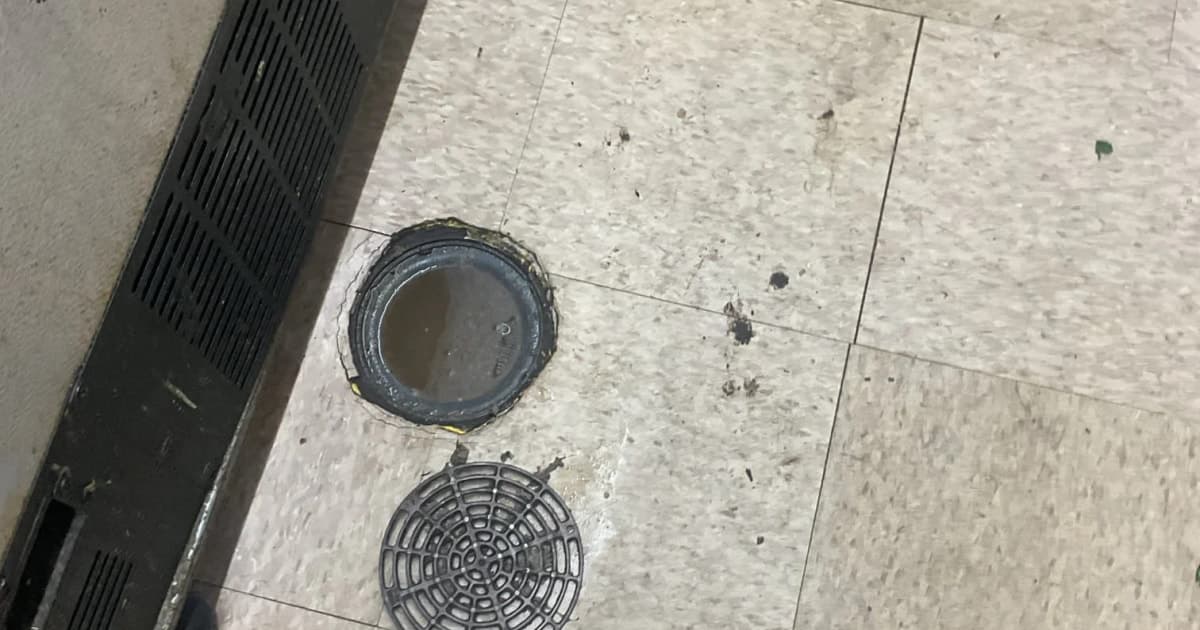
When it comes to maintaining a smooth-running kitchen, the grease trap often remains an unsung hero. Yet, for Austin homeowners, particularly those who enjoy hearty home cooking, ensuring that your grease trap is well-maintained is crucial to preventing clogged drains and more serious plumbing issues. ## Understanding Your Grease Trap A grease trap is a plumbing device designed to intercept most greases and solids before they enter a wastewater disposal system. This handy device is a must-have for tackling the greasy byproducts of cooking that, if left unchecked, can lead to significant blockages in your plumbing. ### How Does a Grease Trap Work? Grease traps work by slowing down the flow of wastewater, allowing fats, oils, and grease to cool and solidify. These solids then float to the top, while the cleaner water exits through a separate pipe. In Austin, with its hard water and high mineral content, these traps can help prevent the build-up of mineral deposits, which compound the problem. ## Signs Your Grease Trap Needs Attention Even the best traps need regular maintenance. Look out for these signs that your grease trap requires some TLC: - Foul smells: A full or clogged grease trap will emit unpleasant odors. - Slow drainage: If your sinks are draining slowly, it may indicate a grease build-up. - Frequent clogs: Repeated plumbing issues could suggest your trap isn’t functioning properly. ## Regular Maintenance Tips Keeping your grease trap functional doesn’t have to be daunting. Here are some practical steps you can take: ### Schedule Routine Cleanings Experts recommend having your grease trap cleaned every 4-6 weeks. This can vary based on usage volume; a busier kitchen may require more frequent cleanings. In the hotter Austin months, bacteria growth is more rapid, which can increase the frequency needed. ### Proper Waste Disposal Prevent issues by simply being mindful of what goes down your drain. Avoid pouring oils or fats down your sink. Instead, collect these in a container and dispose of them in your trash. This simple habit reduces the risk of clogs significantly. ### Use Professional Services Sometimes, DIY isn’t enough. If you notice persistent issues or if it’s been a while since the last deep clean, professional services can provide a thorough assessment and cleaning. ## Austin-Specific Considerations Austin’s unique climate can impact how your kitchen plumbing functions. High temperatures can exacerbate odors and bacterial growth within grease traps, making summer maintenance particularly important. Additionally, hard water can lead to mineral build-up, which may require specialized cleaning solutions. ### Seasonal Checks Before entering the hot Texas summer, make sure to inspect and possibly service your plumbing systems, including the grease trap. This proactive step can save your kitchen from unwanted smells and backups. ## Want service for Your Grease Trap? Unsure about handling your grease trap maintenance on your own? Economy Plumbing Services is here to help. Our experts are equipped to handle any plumbing challenges, ensuring your kitchen remains stress-free and efficient. Call our team today! ## Why Central Texas Conditions Matter Central Texas plumbing systems deal with a tough combination of hard water, temperature swings, and soil movement. Those conditions do not cause every problem directly, but they make weak points show up faster and turn "minor" symptoms into repeated service issues if they are ignored. That is especially true in homes with older hardware, deferred maintenance, or plumbing that has already seen multiple spot repairs. The local factor is important because timing changes outcomes. When a problem is caught earlier, homeowners usually have more repair options and more control over cost. Once the issue has been allowed to cycle through weather changes, water usage spikes, or structural stress, the fix tends to get larger and less predictable. ## When to Call a Plumber If the same plumbing symptom keeps returning, if you are seeing property impact around the issue, or if the repair option is starting to feel uncertain, that is usually the point where professional service becomes the cheaper option. Most plumbing problems cost more when homeowners pay for repeated temporary fixes and still end up needing the real repair later. Looking at Austin drain cleaning or Austin plumber is the best way to compare what happens next. The goal is to move from guesswork to a durable plan while the problem is still manageable instead of waiting for a more disruptive failure. ## Helpful Service options If you're comparing options for this general plumbing issue, these pages go deeper: - Austin drain cleaning — Best overall entry point for repair, replacement, and diagnostics. - Austin plumber — Helpful for readers who are still scoping cost before they call.
← All posts
Grease Trap Maintenance Tips for Austin Properties
Learn how grease trap maintenance works in Austin, what neglect tends to cause, and when cleaning or repair is worth scheduling.
Plumbing problem? We can help.
Master plumbers in Austin & Marble Falls since 2012. Upfront pricing, booked in minutes.