
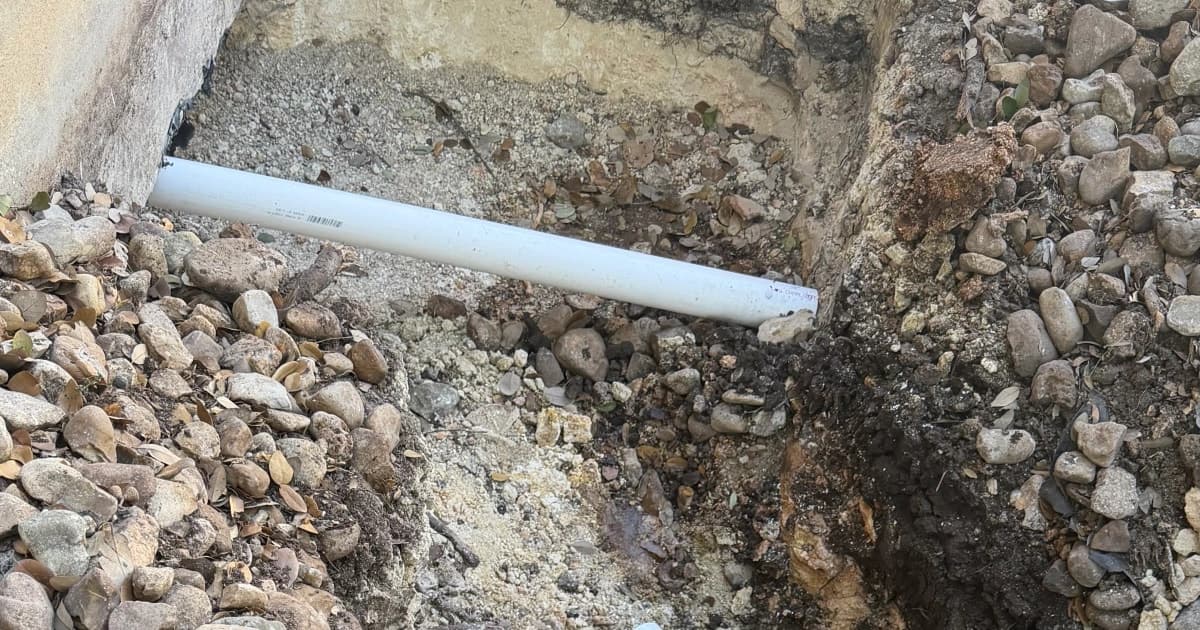
When it comes to installing or replacing underground water lines, the quality of the work can make or break your plumbing system. In Austin, where the clay and rock conditions present unique challenges, a well-planned and professionally executed installation is crucial. Poorly installed pipes can lead to costly repairs, water damage, and even health hazards down the line. The decision to invest in quality installation isn't just about avoiding inconvenience; it's about safeguarding your home and ensuring long-term reliability and efficiency. Before any excavation begins, professional planning is essential. This involves understanding the local soil conditions, selecting the right materials, and mapping out the most effective installation strategy. In Central Texas, where shifting clay soils can easily damage improperly installed pipes, meticulous attention to detail is vital. Without it, homeowners may face issues like pipe misalignment, leaks, or even complete system failure. Quality underground pipe installation isn't just a one-time task; it's a long-term investment in the health and functionality of your home's plumbing system. ## Why Buried Pipe Work Fails When It Is Done Poorly In Austin, the unique combination of clay and rock soil conditions makes underground pipe installation a task that requires precision and expertise. When pipes are not installed correctly, the consequences can be severe, leading to costly repairs and disruptions. One of the primary reasons for failure is inadequate planning before excavation begins. Without a thorough understanding of the soil composition and proper mapping of existing utilities, even minor errors can escalate into significant issues. Poor installation often results from using substandard materials or improper sealing techniques. In Austin's environment, the clay soil can expand and contract with moisture changes, putting additional pressure on pipes. If the materials used are not flexible or durable enough to withstand these changes, they can crack or burst. Moreover, improper sealing can lead to leaks, which may go unnoticed until they cause substantial damage. Another common cause of failure is insufficient depth of installation. Pipes laid too shallow are more susceptible to temperature fluctuations and physical damage from surface activities. Ensuring that pipes are buried at the correct depth, with adequate insulation, is crucial to maintaining their integrity over time. Homeowners should prioritize working with professionals who understand these local challenges and can provide solutions that are tailored to Austin's unique conditions. ## Signs an Underground Pipe Installation Problem Is Showing Up Homeowners in Austin should be vigilant for signs that their underground pipe installation might be faltering. Given the city's unique blend of clay and rock soil conditions, improper installation can lead to noticeable issues relatively quickly. One of the earliest signs is a sudden drop in water pressure, which could indicate a leak or blockage in the newly installed pipes. This is often accompanied by unusual wet spots or patches of lush grass in the yard, suggesting water is escaping where it shouldn't. Another red flag is the appearance of sinkholes or depressions in the landscape. These occur when water erodes the soil around the pipe, a common issue in Austin's clay-heavy soil if the installation wasn't meticulously planned. Additionally, homeowners may notice an unexpected increase in water bills, pointing to water loss underground. To prevent these issues, it's crucial to ensure that the installation is tailored to the specific soil and rock conditions of your property. Proper planning and professional execution are key to avoiding costly repairs and ensuring the long-term integrity of your underground water lines. ## What Homeowners Can Confirm Before Digging Starts Before any excavation begins for underground pipe installation in Austin, homeowners can take crucial steps to ensure the process is set for success. First, confirm that all necessary permits are in place, as local regulations require specific permissions for digging. Additionally, check for existing utility lines using the 811 service to avoid costly and dangerous disruptions. While these steps are safe for homeowners to handle, the complexity of Austin's clay and rock soil conditions makes professional planning essential. These geological factors can affect pipe stability and longevity, making expert assessment crucial. It's also important to recognize the limitations of DIY approaches. Attempting to manage the intricacies of trench depth, slope, and material selection without professional guidance can lead to long-term issues. Poor installation may not be immediately apparent but can manifest as leaks or pipe failure down the line, leading to expensive repairs. Professional plumbers have the expertise to navigate these challenges efficiently and effectively, ensuring a quality installation that stands the test of time. For homeowners looking to safeguard their investment, consulting with a professional service like Austin leak repair can provide a clearer plan and ensure that every aspect of the installation is handled with precision and care. ## Austin Soil and Site Conditions That Change Installation Decisions When it comes to underground pipe installation in Austin, understanding the unique soil and site conditions is crucial for long-lasting results. Austin's terrain is characterized by a mix of clay soils and rocky substrata, each presenting distinct challenges. Clay soils, known for their expansive nature, can shift significantly with moisture changes, potentially exerting pressure on pipes and causing misalignments or breaks if not properly accounted for during installation. Conversely, the rocky layers prevalent in certain areas of Austin can complicate excavation efforts, requiring specialized equipment and techniques to ensure a stable trench for pipe placement. Professional planning is critical when dealing with these conditions. Before any excavation begins, it's essential to assess the soil composition and site topography. This allows for the selection of appropriate materials and methods that can withstand the local environmental stresses. For instance, flexible piping may be chosen in areas with high clay content to accommodate soil movement, while reinforced materials might be necessary in rockier zones to prevent damage during installation. In summary, the success of underground pipe installations in Austin hinges on a thorough understanding of local soil and site conditions, emphasizing the need for expert planning and execution to avoid costly repairs down the line. ## When to Ask Questions, Schedule Work, or Treat It as Urgent Deciding when to act on underground pipe installation or replacement in Austin requires understanding the unique challenges posed by the area's clay and rock-laden soil. If you're noticing persistent issues like reduced water pressure or unexplained damp patches in your yard, it's crucial to determine whether these are signs of a deeper problem. In such cases, asking questions about the installation process and materials used can provide clarity. It's essential to understand the specifications of the pipes and the installation techniques suitable for Austin's challenging soil conditions. Scheduling work should be considered when planning upgrades or replacements, especially if your system is aging. Proactive scheduling allows for thorough professional planning, which is vital before any excavation begins. This ensures that the project accounts for the local soil's propensity to shift, which can affect pipe stability over time. Treat the situation as urgent if you experience sudden water loss or visible pipe damage. These issues can lead to severe property damage if not addressed immediately. In such cases, prompt action is necessary to prevent further complications, and professional intervention is crucial to ensure the integrity of your underground plumbing system. ## Need Help? When it comes to underground pipe installation in Austin, ensuring quality work is crucial to avoid future headaches. The unique clay and rock conditions in our area demand precise planning and expert execution. A professional approach not only accounts for these geological factors but also ensures that the installation is efficient and durable. Poor installation can lead to leaks, blockages, and costly repairs down the line. If you're considering a new installation or replacement, it's essential to work with experienced professionals who understand the intricacies of Austin's terrain. Proper planning before excavation can save time and money, and help prevent unexpected issues. To get a better idea of potential costs, check out our Austin plumber. Let us help you make informed decisions for your home’s plumbing work.
← All posts
Quality Underground Pipe Installation in Austin
Discover why expert planning and quality installation of buried water lines in Austin's clay and rock are crucial to avoid costly repairs. Know when to call.
Plumbing problem? We can help.
Master plumbers in Austin & Marble Falls since 2012. Upfront pricing, booked in minutes.