
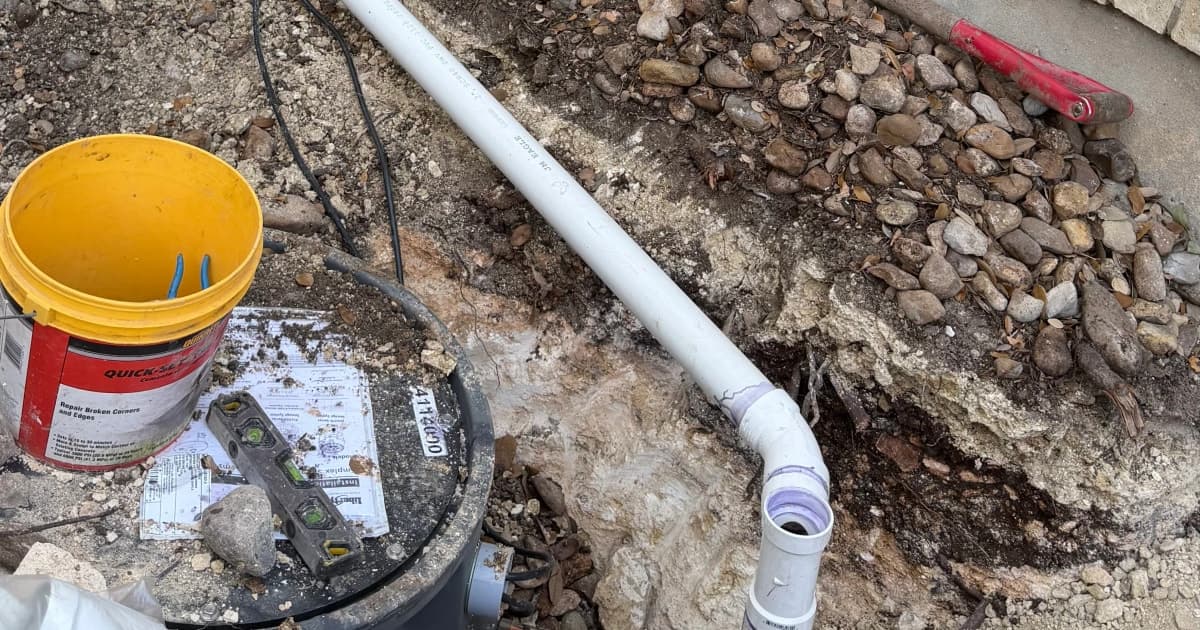
Installing plumbing near brick walls can present unique challenges for homeowners and professionals alike. While brick offers a sturdy and durable foundation for structures in Austin, it also requires careful consideration during plumbing installations to avoid future mishaps. Below, we'll dive into common plumbing installation mistakes and how to avoid them, especially when working near the iconic brick walls found in many Austin homes. ## Ignoring Brick's Unique Characteristics Brick is not just a pretty face. Its porous nature and thermal mass mean it reacts to environmental changes differently than other materials. ### Expansion and Contraction Bricks expand and contract with temperature changes. In the hot Austin summers, this can lead to significant movement. If pipes are installed too tightly against brick, they can crack or become misaligned. Ensure a flexible connection with some allowance for expansion to prevent pipe damage. ### Moisture Retention Brick walls can retain moisture, which might lead to issues with pipe corrosion or mold if not properly managed. Use moisture barriers and choose rust-resistant materials to extend the lifespan of your plumbing installations. ## Misalignment of Pipes One common oversight during pipe installation is failing to ensure proper alignment. ### Skewed Angles Pipes should run parallel and perpendicular to surfaces for optimal function. Skewed angles may result in inefficient water flow or, worse, leaks that can damage your brick wall. - Use a level during installation - Double-check measurements - Secure pipes with appropriate fasteners ## Overlooking Hard Water Effects Austin is known for its hard water, which can impact your plumbing system. ### Pipe Scaling Hard water leads to mineral buildup or scaling within pipes, particularly near joints and turns. Over time, this can reduce water flow and increase pressure, leading to leaks or bursts. Installing a water softener system can mitigate these effects, especially around vulnerable brick walls. ## Insufficient Insulation and Protection Given our region’s weather, protecting your pipes from extreme heat and cold is crucial. ### Inadequate Insulation Austin winters may be mild, but sudden cold snaps are not unheard of. Unprotected pipes near exterior walls are at risk of freezing. Use foam pipe insulation and protective wraps, especially around bends and corners. ### Exposure to UV Rays Pipes installed outdoors or near sunlit brick walls can degrade from constant UV exposure. Consider UV-resistant pipe coverings to avoid this. ## Neglecting Seasonal Maintenance Regular maintenance can prevent many plumbing issues. However, neglect can lead to costly repairs. ### Seasonal Checks Seasonal checks can prevent small issues from turning into large problems. During hot summers, inspect for leaks or expansion issues, and in prep for winter, ensure all pipes are adequately insulated. - Schedule bi-annual professional inspections - Regularly check exposed pipes ## Austin-Specific Considerations Understanding the local climate and water conditions is essential for any plumbing project in Austin. ### Climate Impact Austin's hot summers and occasional winter chills can stress plumbing systems. Choosing materials designed for thermal expansion and using appropriate insulation can make a big difference. ### Hard Water Management Investing in a home water filtration system can not only improve your water quality but also extend the life of your plumbing, especially when managing installations near sensitive brick areas. ## Want service for Your Plumbing Installation? Avoid these common pitfalls and ensure your plumbing setup is efficient and long-lasting. If you're facing challenges with plumbing installations near brick walls, or simply need professional advice, our team is ready to assist. Call Economy Plumbing Services at our team today for expert help in Austin and Marble Falls. ## Why Central Texas Conditions Matter Central Texas plumbing systems deal with a tough combination of hard water, temperature swings, and soil movement. Those conditions do not cause every problem directly, but they make weak points show up faster and turn "minor" symptoms into repeated service issues if they are ignored. That is especially true in homes with older hardware, deferred maintenance, or plumbing that has already seen multiple spot repairs. The local factor is important because timing changes outcomes. When a problem is caught earlier, homeowners usually have more repair options and more control over cost. Once the issue has been allowed to cycle through weather changes, water usage spikes, or structural stress, the fix tends to get larger and less predictable. ## When to Call a Plumber If the same plumbing symptom keeps returning, if you are seeing property impact around the issue, or if the repair option is starting to feel uncertain, that is usually the point where professional service becomes the cheaper option. Most plumbing problems cost more when homeowners pay for repeated temporary fixes and still end up needing the real repair later. Looking at General Plumbing Services or Plumbing Cost Estimator is the best way to compare what happens next. The goal is to move from guesswork to a durable plan while the problem is still manageable instead of waiting for a more disruptive failure. ## Helpful Service options If you're comparing options for this general plumbing issue, these pages go deeper: - General Plumbing Services — Best overall entry point for repair, replacement, and diagnostics. - Plumbing Cost Estimator — Helpful for readers who are still scoping cost before they call.
← All posts
Avoid These Common Plumbing Installation Mistakes Near Brick Walls
Avoid common plumbing installation mistakes near brick walls. Learn to handle Austin’s unique challenges like hard water and climate impact.
Plumbing problem? We can help.
Master plumbers in Austin & Marble Falls since 2012. Upfront pricing, booked in minutes.