
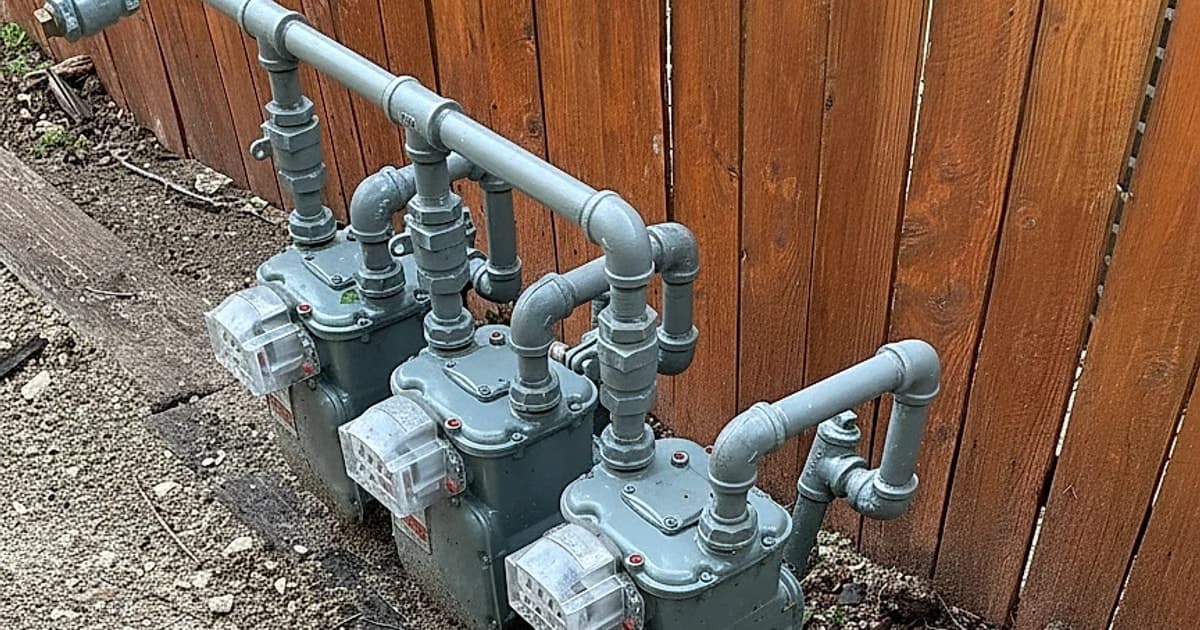
Gas line issues deserve a different level of caution than many plumbing problems. A suspected leak, damaged appliance connector, failed shutoff, or gas odor is not a situation for guesswork. The priority is people first, then diagnosis, then repair. Austin homes and businesses use gas for water heaters, ranges, dryers, fireplaces, outdoor kitchens, commercial cooking equipment, and more. That variety means gas line repair can involve appliance connections, shutoffs, buried lines, pressure testing, permits, or code-conscious replacement. ## Quick Answer for gas line repair Austin If you are searching for gas line repair Austin, gas concerns should be handled safety-first. If you smell gas or suspect an active leak, leave the area, avoid ignition sources, and follow emergency utility guidance before arranging repair. The best service option is to match the symptom to the right level of response: routine service, same-day scheduling, or emergency help. That keeps the property protected without turning every plumbing issue into guesswork. This guide is written for Austin homes, restaurants, offices, rental properties, and managers responsible for gas appliances. It focuses on practical signs, first steps, and repair decisions rather than scare tactics. Use it to decide what to watch, what to stop doing, and when professional diagnosis is the smarter move. ## Warning Signs to Take Seriously - A sulfur or rotten-egg odor appears near an appliance, meter, line, attic, crawl area, or outdoor gas feature. - A gas appliance will not stay lit, shows repeated ignition failures, or has been shut off after a suspected issue. - A shutoff valve is damaged, stuck, leaking, or not located where it should be for safe service. - A remodel, appliance replacement, outdoor kitchen, or commercial equipment change requires gas line evaluation. One warning sign by itself may not tell the whole story. The pattern is what matters. A single slow drain after heavy use is different from several fixtures backing up. A small valve drip is different from water spreading under flooring. When symptoms repeat, spread, or affect essential plumbing, the repair should move higher on the priority list. ## Common Causes Behind the Problem - Old fittings, damaged connectors, corrosion, improper modifications, or vibration can create leaks at connections. - Buried or exterior gas lines can be affected by excavation, settlement, weather exposure, or age. - New appliances may need different sizing, scheduling, shutoff placement, or code corrections. - Commercial kitchens and high-use equipment create more frequent service needs because gas systems are tied directly to operations. The cause matters because two problems can look identical from the surface but need different repairs. For example, clearing a drain is useful when buildup is the issue, but it will not solve a broken line. Tightening a fitting may stop an isolated drip, but it will not fix hidden pipe deterioration. Good plumbing work starts with the right diagnosis. ## What to Do Before You Schedule Service - If you smell gas, leave the area and follow emergency or utility safety instructions before calling for repair scheduling. - Do not operate switches, create sparks, light flames, or troubleshoot appliances in a suspected gas leak area. - If the gas has already been safely shut off, note which appliance or area was involved and what you noticed before the issue appeared. - Keep appliance model information, access details, and any utility notice available for the repair visit. The most helpful thing you can do is reduce new damage without hiding the evidence. Photos, timing notes, meter behavior, fixture patterns, and access details all help a plumber move faster. If water, wastewater, or gas safety is involved, protect people and the building first. ## How Professional gas line repair Should Work - Gas line repair should start with safe conditions, then inspection, pressure testing when appropriate, and a clear repair scope. - Work may include repairing a leak, replacing a shutoff, rerouting or resizing a line, connecting an appliance, or coordinating code-related corrections. - After repair, testing and startup steps matter because the system needs to be verified before normal use resumes. For gas line repair, the goal is a repair plan that fits the property, not just a generic fix. Homes, businesses, rentals, and managed properties have different constraints. A good visit should explain the source, the practical options, and whether the problem is likely to come back if only the immediate symptom is addressed. ## Austin Plumbing Factors That Matter - Austin remodels, outdoor living upgrades, restaurant equipment changes, and water heater replacements often intersect with gas line work. - Older homes and businesses may have shutoff placement, access, or material issues that need correction during repair. - Commercial properties should treat gas downtime as both a safety issue and an operations issue, especially when cooking or hot water depends on it. Local context helps prevent bad assumptions. The same symptom in a newer subdivision, an older central neighborhood, a restaurant, or a rental property can point to different causes. That is why local experience, clear questions, and careful troubleshooting matter as much as tools. ## Repair Timing: Routine, Same-Day, or Emergency - Treat any suspected active gas leak as immediate safety business, not a normal service question. - Schedule repair promptly when gas has been shut off, an appliance cannot operate safely, or a line was flagged during inspection. - Plan ahead for remodels and appliance upgrades so gas sizing, scheduling, and shutoff requirements do not delay the project. When in doubt, look at risk. If the issue can damage property, affect health or safety, interrupt tenants or customers, or shut down essential plumbing, it deserves faster attention. If it is stable and isolated, scheduling a planned visit may be the better way to get a thoughtful repair without panic. ## Related Services and Guides - gas line services for gas repair and installation support. - emergency plumbing for urgent safety-related issues. - commercial plumbing services for business gas and plumbing work. - contact Economy Plumbing Services once the area is safe and ready for repair scheduling. These pages help connect the article to the right service option. They also give you a cleaner way to compare services before you book, especially when the problem touches more than one category. ## Questions People Ask About gas line repair Austin ### What should I do if I smell gas? Leave the area, avoid ignition sources, and follow emergency or utility safety guidance. Arrange repair only after the area is safe. ### Can a plumber repair gas lines? Gas work should be handled by qualified professionals who are allowed to perform gas piping work and can test the system properly. ### Do appliance replacements need gas line changes? Sometimes. New equipment may require different capacity, connector, shutoff, venting, or access considerations. ## Want service for gas line repair? Economy Plumbing Services helps Central Texas homes, businesses, rentals, and managed properties with practical plumbing diagnosis and repair. If the problem is active, spreading, unsafe, or disrupting the property, use the site header or the contact page to get the right service option started.
← All posts
Gas Line Repair in Austin: Safety Signs, Shutoffs, and Service options
Gas line repair in Austin: learn safety warning signs, first steps, and when to call for licensed gas plumbing help.
Plumbing problem? We can help.
Master plumbers in Austin & Marble Falls since 2012. Upfront pricing, booked in minutes.