
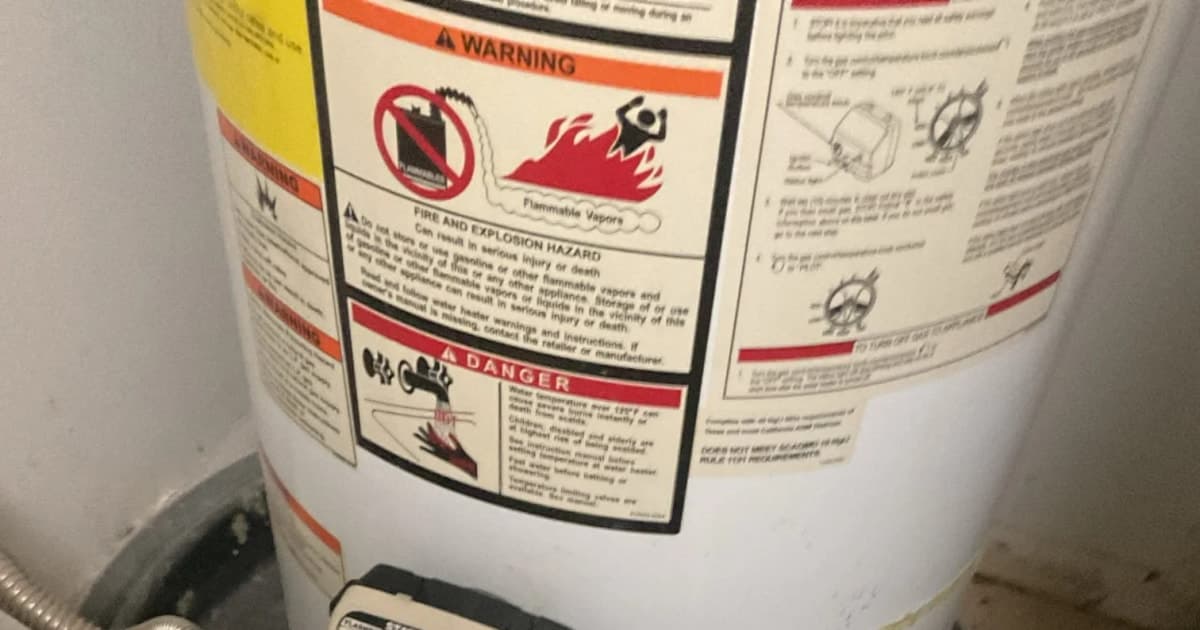
Gas leaks are not just an inconvenience; they pose serious safety risks to your household. As a homeowner in Austin, being vigilant and proactive about gas leak detection can prevent potential disasters. With our unique climate and home infrastructure challenges, such as hard water and significant seasonal temperature fluctuations, it's crucial to stay informed and prepared. ## Understanding Gas Leaks and Their Risks Natural gas is a common energy source in many Austin homes. It's efficient and generally safe, but when leaks occur, they can lead to fires, explosions, and health problems. Knowing the risks associated with gas leaks is the first step in prevention. - Health Risks: Prolonged exposure to natural gas can lead to symptoms like dizziness, nausea, headaches, and even respiratory issues. - Fire Hazards: Gas leaks can ignite, causing house fires or explosions. - Environmental Impact: Methane, a primary component of natural gas, is a potent greenhouse gas. ## Common Signs of a Gas Leak Detecting a gas leak early can save lives and property. Here are some signs Austin homeowners should watch for: ### Sulfur or Rotten Egg Smell Natural gas is odorless, but utility companies add a sulfur-like smell to help detect leaks. If you notice this scent, it's crucial to investigate immediately. ### Hissing or Whistling Sound A hissing sound near gas appliances or pipelines often indicates a significant leak. If you hear this, evacuate the area and contact professionals. ### Dead or Discolored Vegetation If plants or grass above a gas line appear dead or discolored, it may signal a leak. ### Unexplained Spike in Gas Bills A sudden increase in your gas bill could indicate a leak. Compare your usage to previous months to identify any unexplained surges. ## Practical Gas Leak Prevention Tips While detecting leaks is vital, preventing them is even better. Here are practical tips for Austin homeowners: ### Regular Maintenance of Appliances Ensure all gas appliances are regularly serviced. Professional check-ups can identify potential issues before they escalate. ### Install Gas Detectors Consider installing gas detectors in your home. These devices provide an extra layer of protection by alerting you to the presence of gas. ### Secure and Inspect Connections Make sure all gas connections are secure and inspect them periodically for wear and tear. ## Austin-Specific Considerations Austin's hot summers and occasional cold snaps can affect gas appliances. Here are local considerations: - Heat and Pipe Expansion: High temperatures can cause gas lines to expand and contract, increasing the risk of leaks. Regular inspections are crucial. - Hard Water: Austin's hard water can cause corrosion in pipes, leading to potential leaks. Using water softeners and regular maintenance can mitigate this. ## Want service for Gas Safety? If you suspect a gas leak or want to schedule routine maintenance, call when you are ready. Our team at Economy Plumbing Services is here to ensure your home's safety. Call our team today for expert help and a clearer plan. ## Why Central Texas Conditions Matter Central Texas plumbing systems deal with a tough combination of hard water, temperature swings, and soil movement. Those conditions do not cause every problem directly, but they make weak points show up faster and turn "minor" symptoms into repeated service issues if they are ignored. That is especially true in homes with older hardware, deferred maintenance, or plumbing that has already seen multiple spot repairs. The local factor is important because timing changes outcomes. When a problem is caught earlier, homeowners usually have more repair options and more control over cost. Once the issue has been allowed to cycle through weather changes, water usage spikes, or structural stress, the fix tends to get larger and less predictable. ## When to Call a Plumber If the same plumbing symptom keeps returning, if you are seeing property impact around the issue, or if the repair option is starting to feel uncertain, that is usually the point where professional service becomes the cheaper option. Most plumbing problems cost more when homeowners pay for repeated temporary fixes and still end up needing the real repair later. Looking at Gas Line Services or Emergency Plumbing is the best way to compare what happens next. The goal is to move from guesswork to a durable plan while the problem is still manageable instead of waiting for a more disruptive failure. ## Helpful Service options If you're comparing options for this gas services issue, these pages go deeper: - Gas Line Services — Dedicated service page for gas leaks, shutoffs, installs, and code-related questions. - Emergency Plumbing — Immediate path when a gas issue feels unsafe or urgent.
← All posts
Gas Leak Safety Tips for Austin Properties
Review gas leak warning signs, safety basics, and when Austin property owners should call for licensed gas line service.
Plumbing problem? We can help.
Master plumbers in Austin & Marble Falls since 2012. Upfront pricing, booked in minutes.