
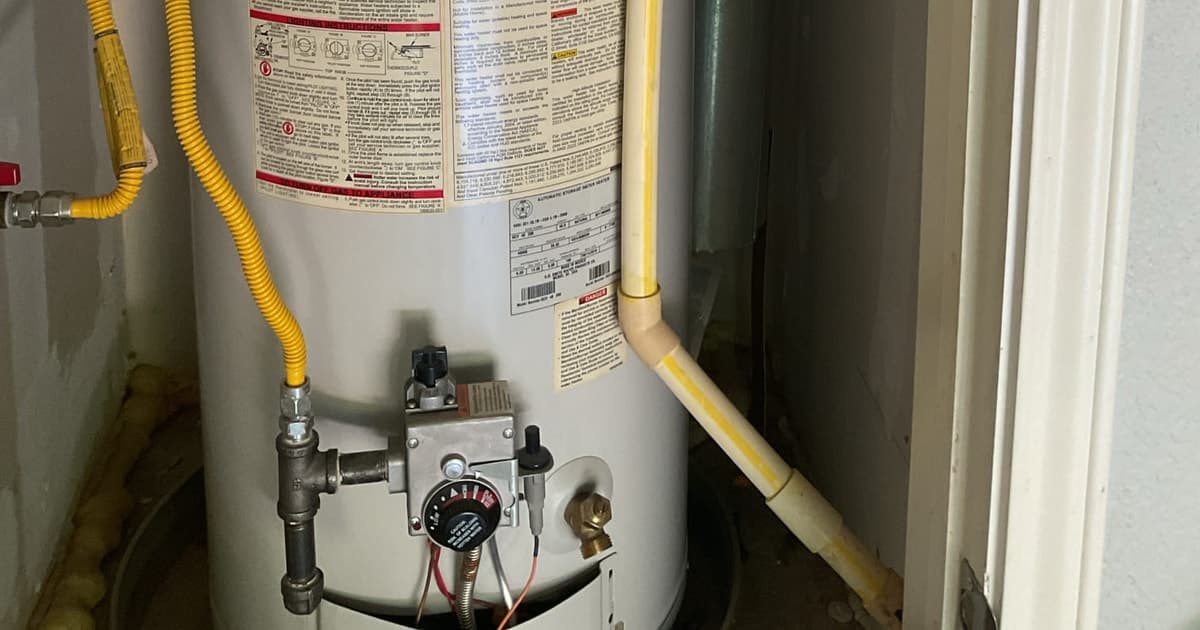
Ensuring your water heater is in top shape is essential, especially as Austin and Marble Falls transition into the cooler months of October. Whether you're dealing with the occasional cold shower or looking to avoid unexpected breakdowns, knowing how to troubleshoot and maintain your water heater's pilot light is key. ## Understanding the Pilot Light If you're experiencing issues with your hot water, the pilot light is often the first place to check. This small flame is responsible for igniting the burner to heat your water, so any problems here can lead to a lack of hot water. - Location: Typically found at the bottom of your water heater, behind a removable panel. - Function: Maintains a continuous flame to ignite the main burner when needed. ## Common Pilot Light Problems ### Pilot Light Won't Stay Lit This is a common issue that can be caused by a few factors: 1. Thermocouple Malfunction: The thermocouple is a safety device that shuts off gas if the pilot light goes out. If it's dirty or malfunctioning, it might cut off gas prematurely. 2. Drafts: In Austin, where homes might be more exposed to winds, a draft can blow out the pilot light. 3. Faulty Gas Valve: If the gas valve isn't supplying enough gas, the pilot light may go out. ### Flickering or Weak Pilot Light A pilot light should burn with a steady blue flame. A flickering or weak flame might indicate: - Clogged Pilot Tube: The tube feeding gas to the pilot light may be clogged with debris or dirt. - Low Gas Pressure: Often related to the gas supply, especially prevalent if local utility work is happening nearby. ## Steps to Relight Your Pilot Light If your pilot light has gone out, follow these steps to safely relight it: 1. Turn Off the Gas: Wait a few minutes to ensure any gas dissipates. 2. Access the Pilot Light: Remove the cover panel to access the light. 3. Ignite the Pilot: Turn the gas knob to 'Pilot', press it down, and use a lighter or match to ignite. 4. Hold the Knob: Keep the knob pressed for 30-60 seconds to heat the thermocouple. 5. Release and Turn to On: Release the knob and turn it to the 'On' position. ## Austin-Specific Considerations Austin and Marble Falls residents face unique challenges with their water heaters: - Hard Water: Extra maintenance is needed because hard water can lead to sediment buildup, affecting pilot light efficiency. - Fluctuating Temperatures: Rapid temperature changes can impact gas flow and may require adjustments. ## When to Call a Professional Some pilot light issues are best left to professionals: - Persistent Problems: If the light continually goes out, it could signify a deeper issue. - Gas Smell: If you smell gas, evacuate and call a plumber immediately at our team. - Complex Repairs: For technical repairs beyond relighting the pilot light. ## Want service for Your Water Heater? Troubleshooting and maintaining your water heater's pilot light doesn't have to be a DIY project. Call Economy Plumbing Services at our team today! Our team in Austin and Marble Falls is ready to help keep your showers warm and your water heater working efficiently. ## Why Central Texas Conditions Matter Water heaters in Austin and the surrounding area work against hard-water conditions that can shorten component life and reduce efficiency over time. Mineral scale builds on elements, tank bottoms, valves, and heat exchangers, and that changes performance long before a system fully fails. Households also put different seasonal demand on heaters, especially when guests, school schedules, or colder weather increase hot-water use. That local pressure is why maintenance and timing matter so much here. A heater that might limp along elsewhere can become noisy, inefficient, or unreliable faster in a hard-water market. When a system already has age, scale, or leak history working against it, postponing service usually means losing the chance to choose the service option on your schedule. ## When to Call a Plumber The best time to schedule water heater service is usually before the system fully fails. Once hot-water recovery drops, noises increase, or moisture appears around the unit, you are already in the window where repair-versus-replace decisions matter. Waiting until there is no hot water at all removes options and usually adds urgency to the choice. Using Water Heater Services or Water Heater Guide is the best way to compare what makes sense for your specific system. A professional look can tell you whether the current heater is worth servicing, whether scale has changed the equation, and whether replacement timing can still happen on your terms. ## Helpful Service options If you're comparing options for this water heaters issue, these pages go deeper: - Water Heater Services — Repair, installation, and replacement for tank and tankless systems. - Water Heater Guide — Buying guidance for sizing, fuel type, efficiency, and Central Texas hard-water tradeoffs.
← All posts
How to Troubleshoot and Maintain Your Water Heater's Pilo
Discover how to troubleshoot and maintain your water heater's pilot light in Austin and Marble Falls. Learn about common issues and when to call a
Plumbing problem? We can help.
Master plumbers in Austin & Marble Falls since 2012. Upfront pricing, booked in minutes.