
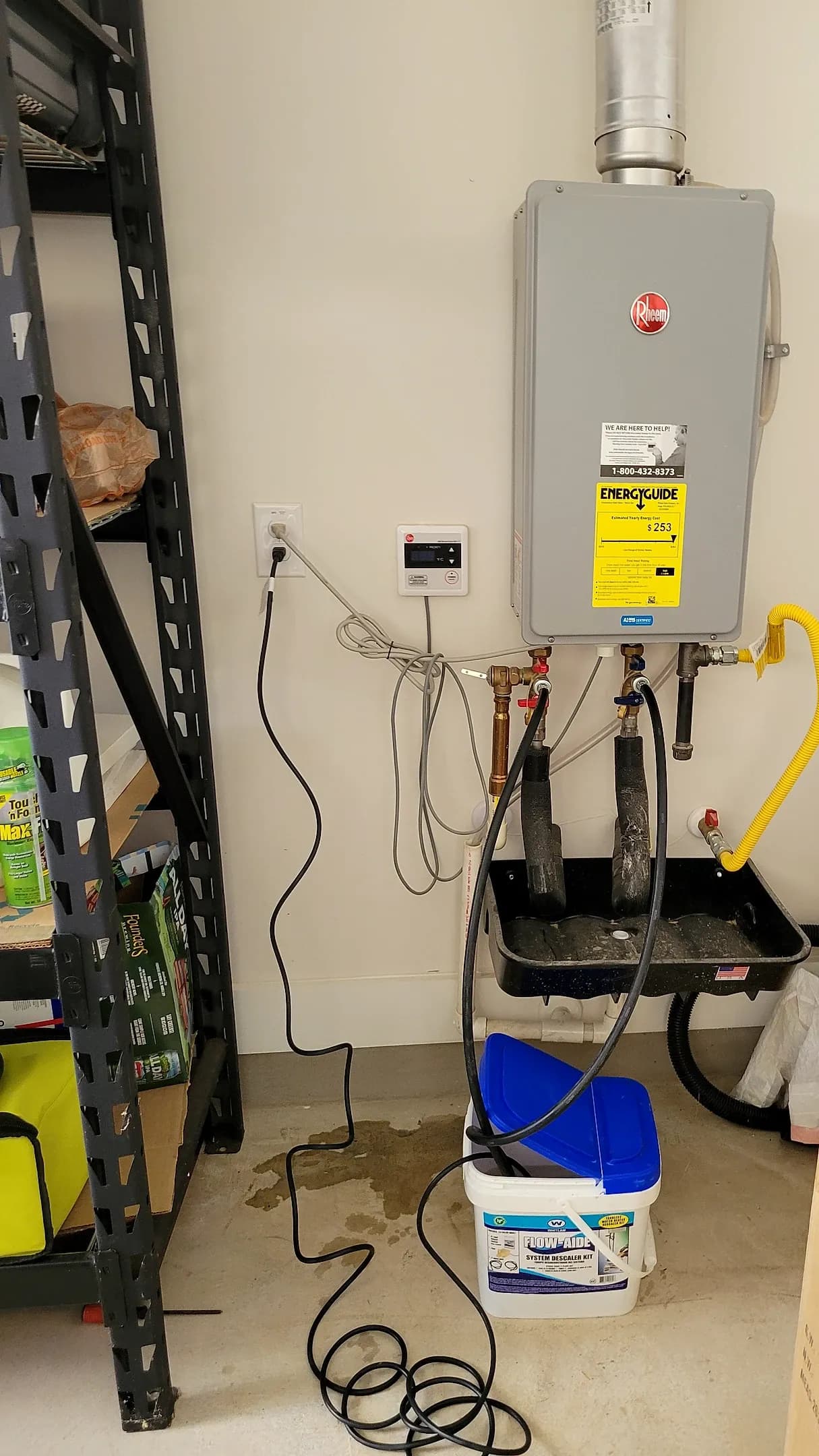
If your current water heater takes up too much space, runs out of hot water at the worst possible time, or is nearing the end of its life, a tankless water heater can look like a pretty attractive upgrade. But before you jump in, it helps to know what tankless water heater installation actually involves, what it costs to set up correctly, and whether your home is a good fit—especially here in Austin and nearby areas like Marble Falls, where hard water and summer heat can affect plumbing equipment in ways many homeowners don’t expect. 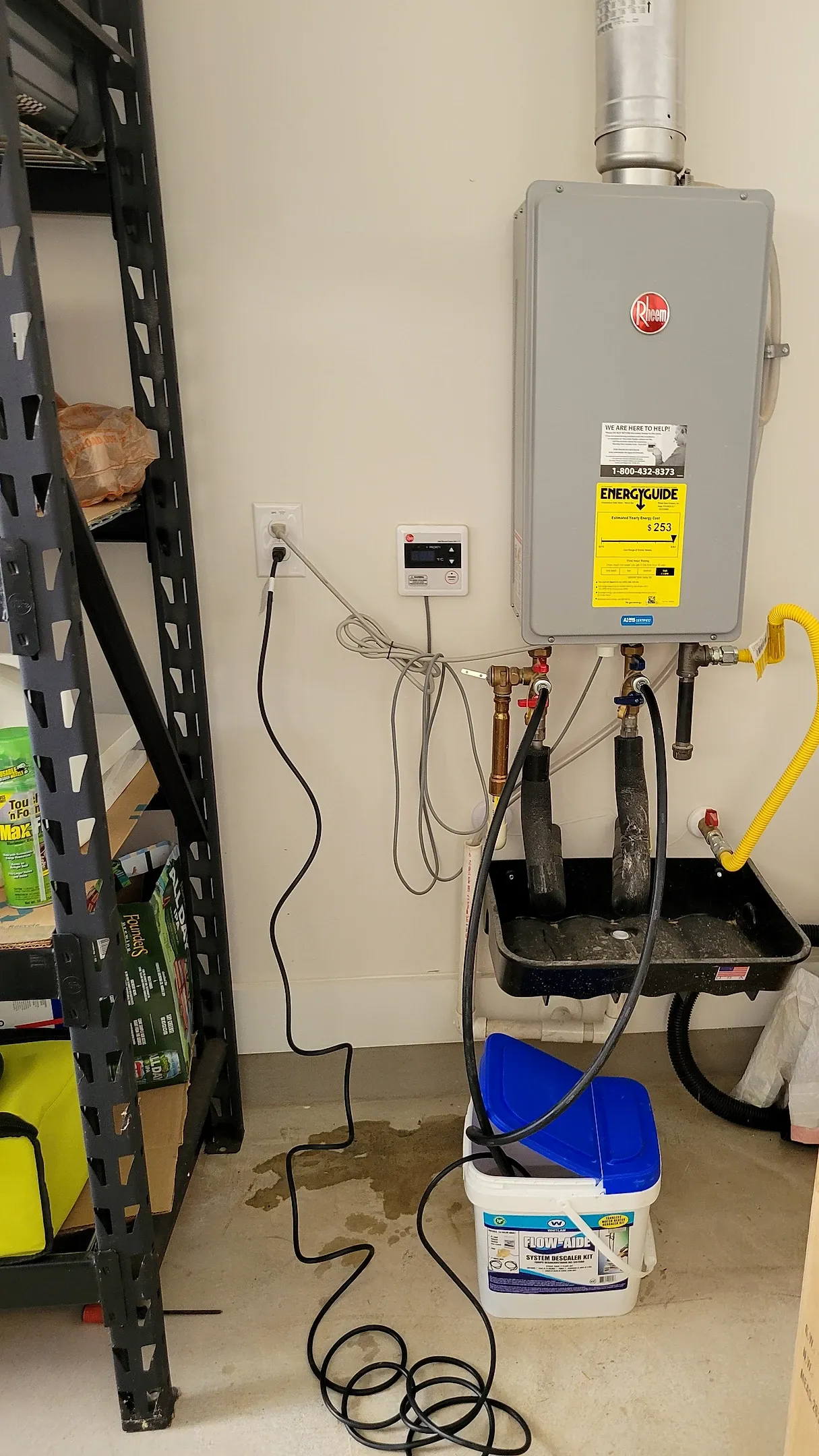 ## Why More Austin Homeowners Are Considering Tankless Water Heaters A tankless system heats water only when you need it, instead of keeping a full tank hot all day. That can mean more efficient operation, endless hot water under the right conditions, and a smaller footprint in the garage, closet, or utility space. For a lot of Austin-area homes, the appeal is simple: - No more waiting for a tank to recover after back-to-back showers - More usable space compared to a bulky storage tank - Better efficiency when the system is sized and installed correctly - A cleaner setup when the old tank is replaced with a modern unit That said, a tankless water heater upgrade is not just a swap-and-go project. The home’s gas supply, electrical setup, venting, water quality, and plumbing layout all need to be reviewed first. ## What Tankless Water Heater Installation Actually Involves Installing a tankless unit is usually more involved than replacing a standard tank water heater. The new equipment may need different connections, updated venting, larger gas lines, or electrical changes depending on the model. ### The basic steps usually include 1. Removing the old tank water heater 2. Evaluating gas, electric, and venting requirements 3. Installing the tankless unit and mounting hardware 4. Connecting water lines and safety components 5. Testing for proper flow, temperature, and combustion performance 6. Flushing and checking the system for leaks or setup issues In the photo that often goes with this kind of work, you can usually see the clean plumbing connections, mounted equipment, and the kind of careful layout that matters on installation day. That’s because a good tankless install is about more than just the box on the wall—it’s about how the whole system works together. ### One real-world example A homeowner in north Austin may be replacing a 12-year-old tank heater that started struggling to keep up with family routines. They want more hot water, but they also want to free up space in a crowded utility area. In that case, the right installation might include a tankless unit, a flush with attention to mineral buildup, and a few plumbing adjustments to make the new system run efficiently from day one. ## Is Your Home a Good Fit for a Tankless Water Heater? Not every home is an automatic match for tankless, and that’s where a quick professional assessment can save time and frustration. ### Tankless tends to make sense when: - Your current water heater is aging or failing - You regularly run out of hot water - You want to reclaim space - You’re already planning a water heater upgrade - Your home can support the fuel, venting, and flow requirements ### It may need a closer look if: - Your home has older plumbing or undersized gas lines - You have high hot-water demand from multiple bathrooms - You live in an area with heavy mineral content in the water - You’re expecting the new unit to solve unrelated pressure or flow problems Austin and Marble Falls homes often deal with mineral-rich water, and that can matter more with tankless systems than people realize. Scale buildup can reduce performance over time if the unit isn’t maintained properly. That doesn’t mean tankless is a bad choice—it just means the installation and ongoing service need to be done with local conditions in mind. ## Tankless vs. Traditional Tank: What Homeowners Should Compare The right choice depends on how your household uses hot water, how long you plan to stay in the home, and what shape your current plumbing is in. ### Tankless may be better if you want: - Continuous hot water for showers, laundry, and dishes - A smaller system footprint - Energy savings from on-demand heating - A newer setup that’s easier to work into a remodel or upgrade ### A traditional tank may still make sense if: - Your home’s plumbing or fuel supply would need major changes - Your hot-water demand is predictable and moderate - You want the simplest replacement option possible - You’re trying to keep installation costs lower upfront If you’re still comparing options, it can help to review a water heater guide before making a final decision. The goal is not just to buy the newest equipment—it’s to choose the system that actually fits your home. ## Austin-Specific Factors That Can Affect the Installation Local conditions matter more than many homeowners expect. In Central Texas, the combination of hard water, long cooling seasons, and heavy summer usage can influence both installation and maintenance. ### Hard water and scale buildup Mineral deposits can collect inside the heat exchanger over time. If a tankless unit is installed without thinking about water quality, efficiency can drop and wear can build faster than expected. That’s one reason flushing and maintenance are such a big part of tankless ownership here. ### Summer demand spikes Austin homes often see extra strain during hot months when everyone is showering more, running more laundry, and using more water overall. A properly sized system helps prevent frustration when the household is busy. ### Older homes and retrofits In some neighborhoods, the existing plumbing setup may need adjustments before a tankless unit can be installed cleanly. That could mean rerouting lines, updating shutoff valves, or making sure venting is handled safely and up to code. ### Energy codes and installation details Tankless systems can be efficient, but only when installed with the right clearances, venting, and fuel supply. Skipping those details can create performance issues later. ## Can You DIY This, Wait, or Call for Help Now? Some plumbing questions can wait a few days. Others need a real plan before they turn into a bigger headache. ### Usually DIY-manageable - Reading up on different tankless models - Measuring the space where the unit might go - Comparing features and efficiency ratings - Checking whether the old water heater is still working safely ### Schedule soon - Your water heater is aging and starting to show warning signs - You want to upgrade before a complete failure - You’re planning a remodel and want to make room for a tankless unit - You suspect hard water buildup is affecting performance ### Urgent - You smell gas near the water heater - You see active leaking or pooling water - The unit is producing no hot water at all - There’s visible corrosion, damage, or venting concerns If any of the urgent signs are happening, don’t wait on a water heater replacement plan. Get the system checked first. ## What a Good Installation Should Include A quality tankless water heater installation should leave you with more than a mounted unit. It should give you confidence that the system was matched to your home, connected safely, and tested under real conditions. Look for a service that includes: - Clear evaluation of your current plumbing setup - Proper sizing for household demand - Attention to gas, electric, and venting needs - Clean water line connections - Testing for leaks, temperature output, and operation - Guidance on maintenance, including flushing and descaling That last part matters. A tankless heater can be a smart long-term investment, but only if it’s installed with the local water conditions and your household habits in mind. ## Need Help? If you’re thinking about a tankless water heater installation in Austin or the surrounding area, the best service option is to compare your options before the old system becomes an emergency. We can help you figure out whether a tankless setup makes sense for your home, what changes may be needed, and whether a standard replacement might be the better fit. Learn more about our water heater services, or reach out if your current water heater is struggling and you’re looking to talk through the service option.
← All posts
Tankless Water Heater Installation: What Austin Homeowners Should Know Before Upgrading
Learn what Austin home and business owners should know before tankless water heater installation, including costs, fit, hard water, and upgrade considerations.
Plumbing problem? We can help.
Master plumbers in Austin & Marble Falls since 2012. Upfront pricing, booked in minutes.