
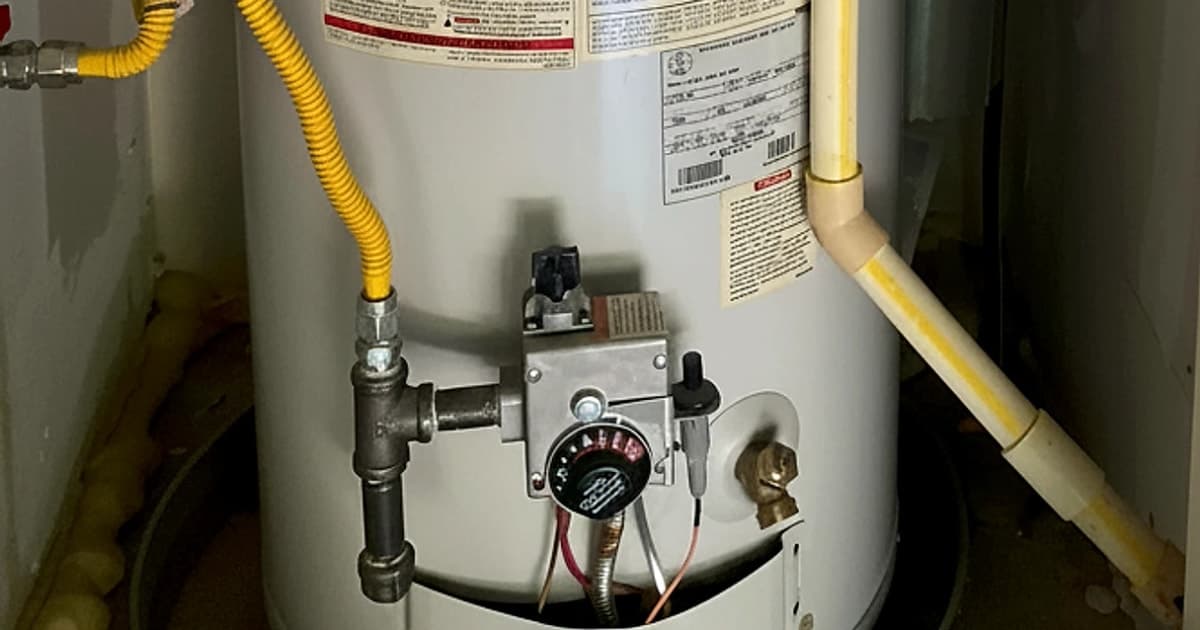
Austin homeowners know that while the city's lively culture and vibrant community are part of its charm, the local plumbing issues can sometimes be less than exciting. One of the primary culprits of plumbing woes in this region is hard water, and it specifically affects the efficiency of your water heater. Whether you're in Austin or neighboring Marble Falls, understanding the impact of hard water on your home systems can save you both time and money. ## How Hard Water Affects Your Water Heater The unique mineral content in Austin's water supply, particularly in areas like Marble Falls, can wreak havoc on your water heater over time. Hard water contains high levels of calcium and magnesium, which can lead to mineral buildup, also known as scale, inside your water heating tank. ### Signs of Hard Water Impact - Decreased Efficiency: Hard water can cause your water heater to work harder, consuming more energy while producing less hot water. - Higher Energy Bills: As efficiency drops, you'll notice an increase in your utility bills. - Shortened Lifespan: The build-up of scale can slowly degrade your water heater's components, leading to costly repairs or early replacement. ## Common Signs Your Water Heater Needs Repair Identifying issues before they escalate is crucial. Here are some key signs that hard water may be affecting your water heater: ### Unusual Noises When you hear popping or rumbling sounds, it might be due to mineral deposits hardening inside the tank. These noises occur when the water heater struggles to heat water through the layer of scale. ### Rusty Water If you notice rust-colored water or a metallic taste, it could indicate corrosion inside your water heater. While not exclusive to hard water issues, it's a problem that needs immediate attention. ## Effective Solutions to Counteract Hard Water ### Regular Maintenance - Flushing the Tank: Regularly flushing your water heater can help remove sediment buildup, extending the appliance's lifespan. - Water Softener Installation: Consider installing a water softener system to reduce mineral content before it reaches your heater. This can significantly improve efficiency and prolong its life. ### Professional Inspections Scheduling annual inspections with a reliable Austin plumbing service can help catch potential issues early and ensure your water heater operates smoothly. ## Austin-Specific Considerations Austin's hot summers and occasional dry spells can exacerbate the effects of hard water. During extreme heat, evaporation in your plumbing system can increase mineral concentration, leading to faster scale build-up. Additionally, seasonal changes might cause fluctuations in water hardness levels, meaning regular water checks and timely adjustments are beneficial. ## Want service for Your Water Heater? If your water heater is underperforming due to hard water, or if you're unsure about its condition, reach out to us. At Economy Plumbing Services, we specialize in tackling Austin's unique water challenges. Call our team today to schedule an inspection or consultation, and let us help you maintain an efficient and effective water heating system in your home. ## Why Central Texas Conditions Matter Water heaters in Austin and the surrounding area work against hard-water conditions that can shorten component life and reduce efficiency over time. Mineral scale builds on elements, tank bottoms, valves, and heat exchangers, and that changes performance long before a system fully fails. Households also put different seasonal demand on heaters, especially when guests, school schedules, or colder weather increase hot-water use. That local pressure is why maintenance and timing matter so much here. A heater that might limp along elsewhere can become noisy, inefficient, or unreliable faster in a hard-water market. When a system already has age, scale, or leak history working against it, postponing service usually means losing the chance to choose the service option on your schedule. ## When to Call a Plumber The best time to schedule water heater service is usually before the system fully fails. Once hot-water recovery drops, noises increase, or moisture appears around the unit, you are already in the window where repair-versus-replace decisions matter. Waiting until there is no hot water at all removes options and usually adds urgency to the choice. Using Water Heater Services or Water Heater Guide is the best way to compare what makes sense for your specific system. A professional look can tell you whether the current heater is worth servicing, whether scale has changed the equation, and whether replacement timing can still happen on your terms. ## Helpful Service options If you're comparing options for this water heaters issue, these pages go deeper: - Water Heater Services — Repair, installation, and replacement for tank and tankless systems. - Water Heater Guide — Buying guidance for sizing, fuel type, efficiency, and Central Texas hard-water tradeoffs.
← All posts
Is Hard Water Hampering Your Water Heater's Performance?
Austin water heater efficiency: Discover how hard water impacts performance and get practical tips to extend your water heater lifespan. our team.
Plumbing problem? We can help.
Master plumbers in Austin & Marble Falls since 2012. Upfront pricing, booked in minutes.