
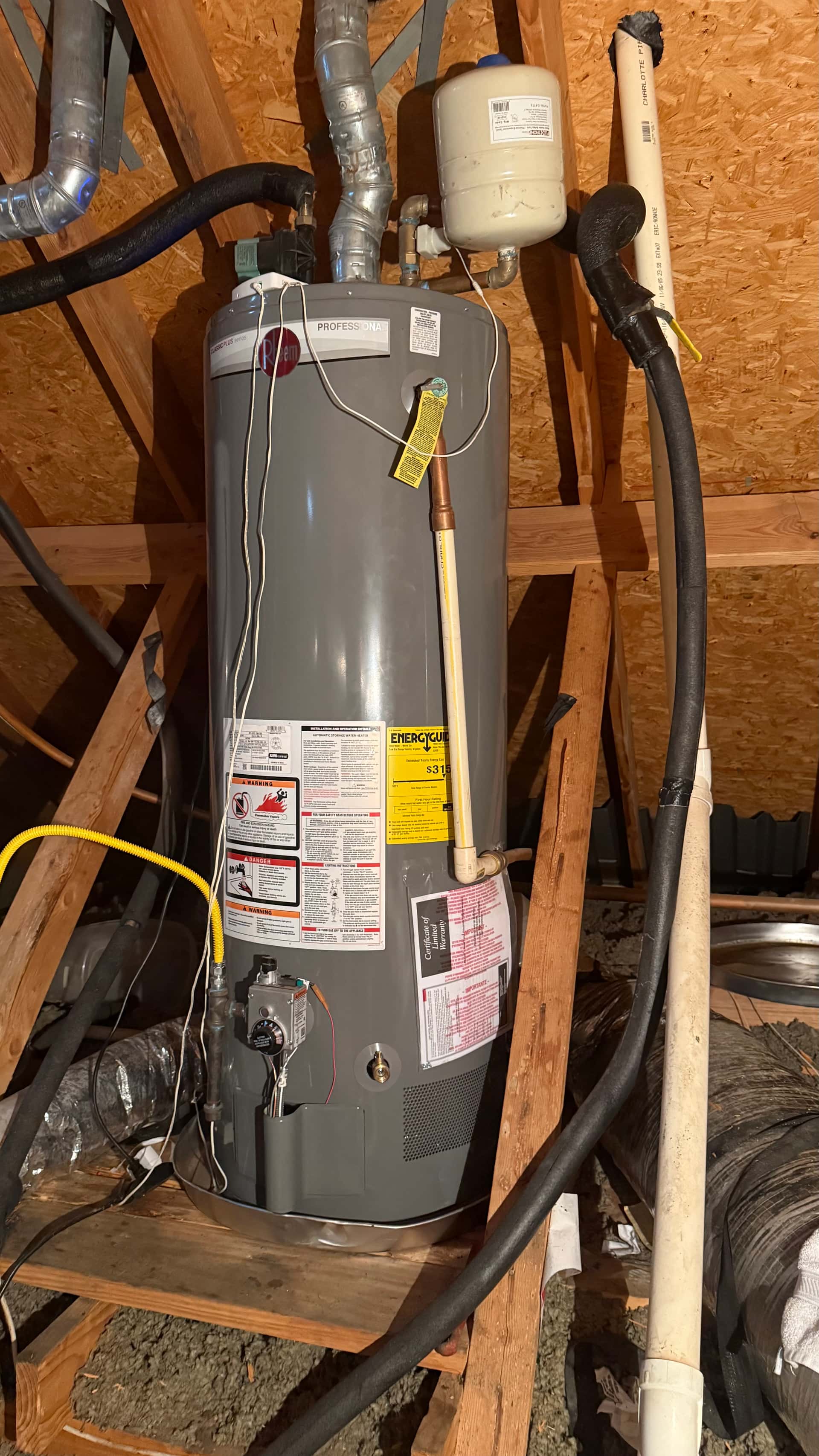
What this article will help you decide
Hard water is a silent destroyer of water heaters, especially in areas like Austin and Marble Falls. Learn how to protect your appliances and save on energy costs.
- Repair decisions
- Replacement planning
- Tankless options
The most relevant service links for this topic are below.
Introduction If you’re living in Austin or Marble Falls, you’ve likely heard the term hard water tossed around in conversations about home maintenance. But what exactly is hard water, and how does it impact your household systems, particularly your water heater? Hard water contains high levels of calcium and magnesium, and while it’s safe to drink, it can wreak havoc on your plumbing over time. In this comprehensive guide, we’ll explore how hard water is affecting your water heater's lifespan and what you can do about it. ## Understanding Hard Water Hard water is a common issue in the Austin and Marble Falls areas due to the composition of the local water supply. The minerals in hard water, while not harmful to your health, can create significant problems for your plumbing system. ### What Makes Water Hard? Hard water results when water percolates through deposits of limestone, chalk, or gypsum, which are largely made up of calcium and magnesium carbonates. These minerals then dissolve into the water supply, leading to increased hardness. ## How Hard Water Affects Your Water Heater Your water heater is one of the most critical appliances in your home, and hard water can significantly shorten its lifespan. ### Scale Buildup - Mineral Deposit: Over time, these minerals accumulate and form a hard scale inside your water heater.
- Efficiency Reduction: Scale acts as an insulator, forcing your water heater to work harder to heat the same amount of water.
- Capacity Loss: Eventually, this reduces the effective volume of your water heater, leading to less hot water available for use. ### Increased Energy Costs Because mineral scale requires more energy to heat water, you’ll likely notice a spike in your utility bills. This is not only costly but also an indication that your water heater is working harder than it should. ### Premature Wear and Tear Hard water can lead to accelerated wear on water heater components. Heating elements become coated in scale, making them less effective and more prone to failure. ## Signs of Hard Water Damage Recognizing the signs of hard water damage early can save you a lot of hassle and money down the road. ### Reduced Hot Water Supply If you notice your hot water running out faster than usual, it might be time to consider whether hard water is clogging your system. ### Unusual Noises Banging or popping sounds are often signs that scale buildup is causing your water heater to malfunction. ### Rusty Water The presence of rusty water can indicate that your water heater tank is corroding, often exacerbated by hard water. ## Solutions for Hard Water Problems Thankfully, there are several strategies you can employ to extend the life of your water heater despite hard water conditions. ### Regular Maintenance - Flush Your Water Heater: Regularly flushing your water heater can help remove sediment buildup.
- Check Anode Rods: An anode rod can help minimize sediment build-up and should be checked at least once a year. ### Consider a Water Softener Installing a water softener is an effective long-term solution. These systems remove the minerals that cause hardness, protecting your plumbing and appliances. ## Austin-Specific Considerations Given the heat and seasonal fluctuations in Austin, the demands on your water heater can be quite high. Regularly scheduled maintenance is crucial to mitigate the effects of hard water and the additional strain from the environment. ## Need Help with Your Water Heater? If hard water has already taken a toll on your water heater, or if you’re looking to prevent future issues, Economy Plumbing Services is here to help. Call our team for professional guidance and support. Let us assist you in maintaining your home’s plumbing system, ensuring you get the most out of your investment.
When to Call a Plumber
The best time to schedule water heater service is usually before the system fully fails. Once hot-water recovery drops, noises increase, or moisture appears around the unit, you are already in the window where repair-versus-replace decisions matter. Waiting until there is no hot water at all removes options and usually adds urgency to the choice.
Using Water Heater Services or Water Heater Guide is the best way to compare what makes sense for your specific system. A professional look can tell you whether the current heater is worth servicing, whether scale has changed the equation, and whether replacement timing can still happen on your terms.
Helpful Next Steps
If you're comparing options for this water heaters issue, these pages are the best next stop:
- Water Heater Services — Repair, installation, and replacement for tank and tankless systems.
- Water Heater Guide — Buying guidance for sizing, fuel type, efficiency, and Central Texas hard-water tradeoffs.
Related Articles
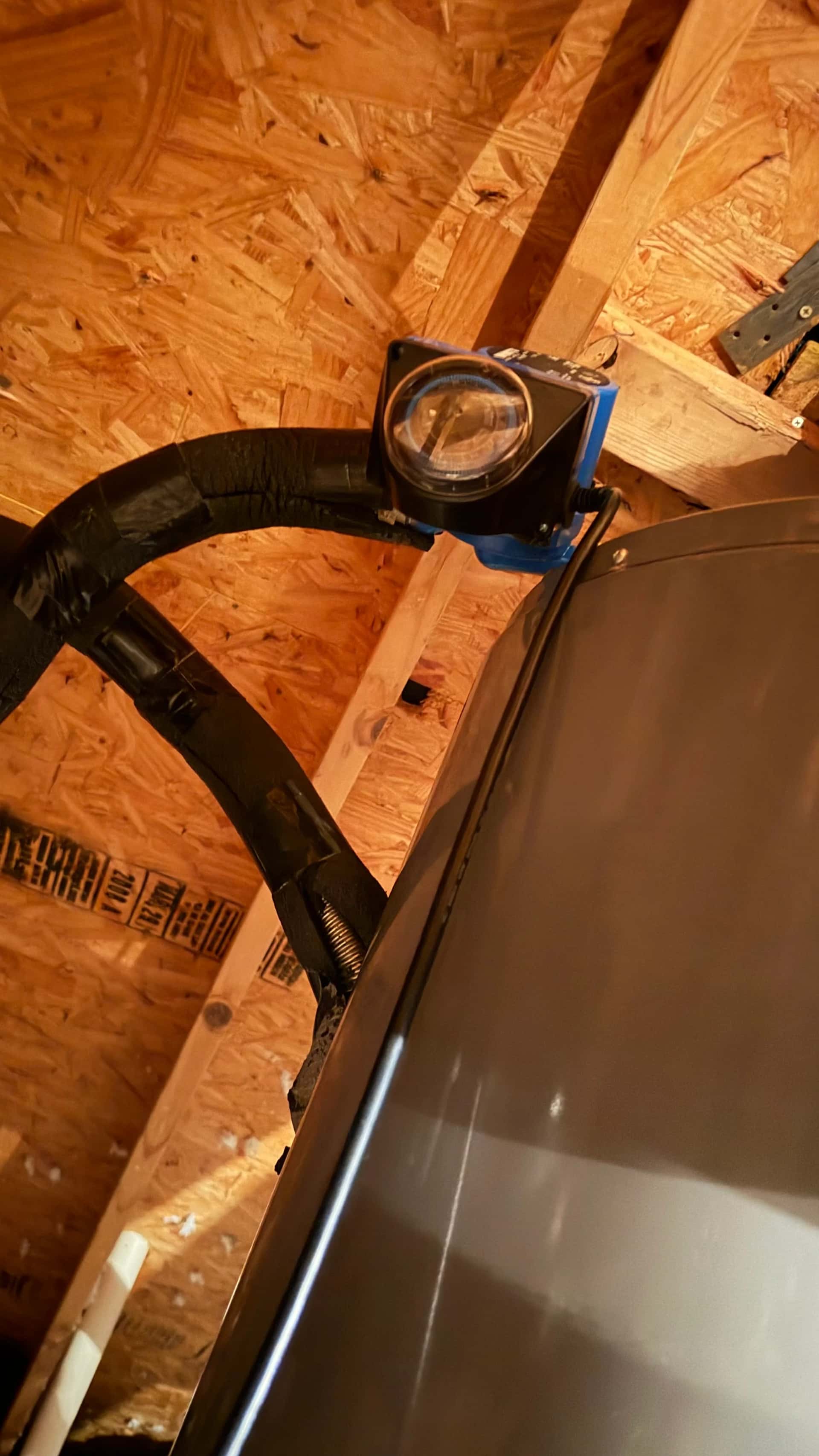
How to Select the Best Water Heater for Hard Water Conditions in Austin and Marble Falls
Discover the best water heater options for hard water areas like Austin and Marble Falls. Learn how to choose a model that withstands mineral build-up and ensures long-lasting efficiency.
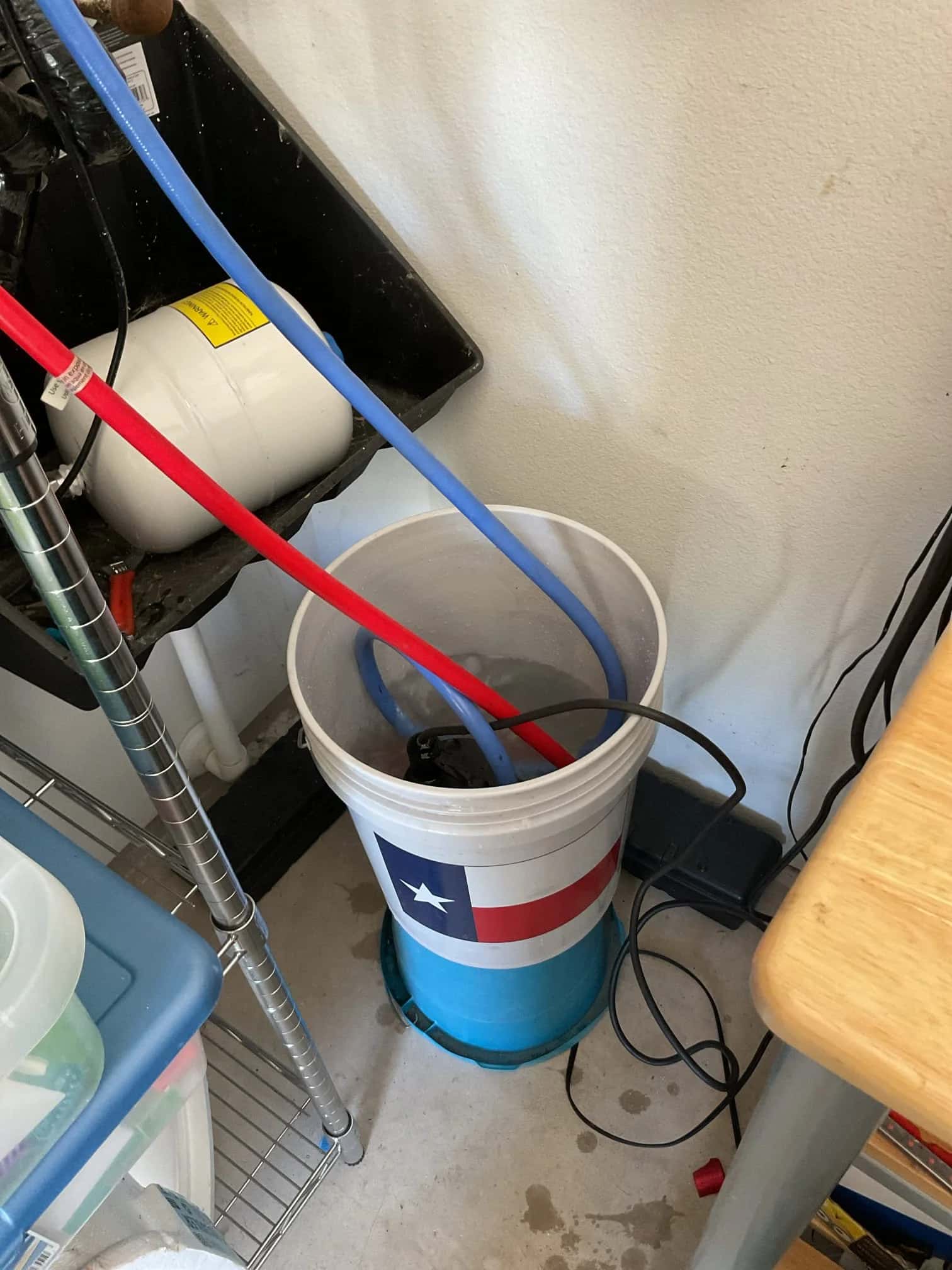
Why Regular Tankless Water Heater Flushes Are Essential for Austin Homes
Discover why regular tankless water heater flushes are essential for Austin homes. Learn how maintenance prevents mineral buildup, enhances efficiency, and prolongs lifespan.
Outdoor Tankless Water Heater Installation: Key Considerations for Austin Homeowners
Discover key considerations for installing an outdoor tankless water heater in Austin. Learn about addressing hard water, protecting your system from elements, and ensuring efficient installation.