
What this article will help you decide
Discover how Austin's hard water impacts your water heater's lifespan, leading to higher energy bills and potential repairs. Learn practical solutions to protect your appliance.
- Repair decisions
- Replacement planning
- Tankless options
The most relevant service links for this topic are below.
"Sean from Economy Plumbing was quick, efficient, and very helpful. He serviced my tankless water heater and did a routine checkup, found a small issue and was able to repair it same day."
Jen Wall
about 1 year ago
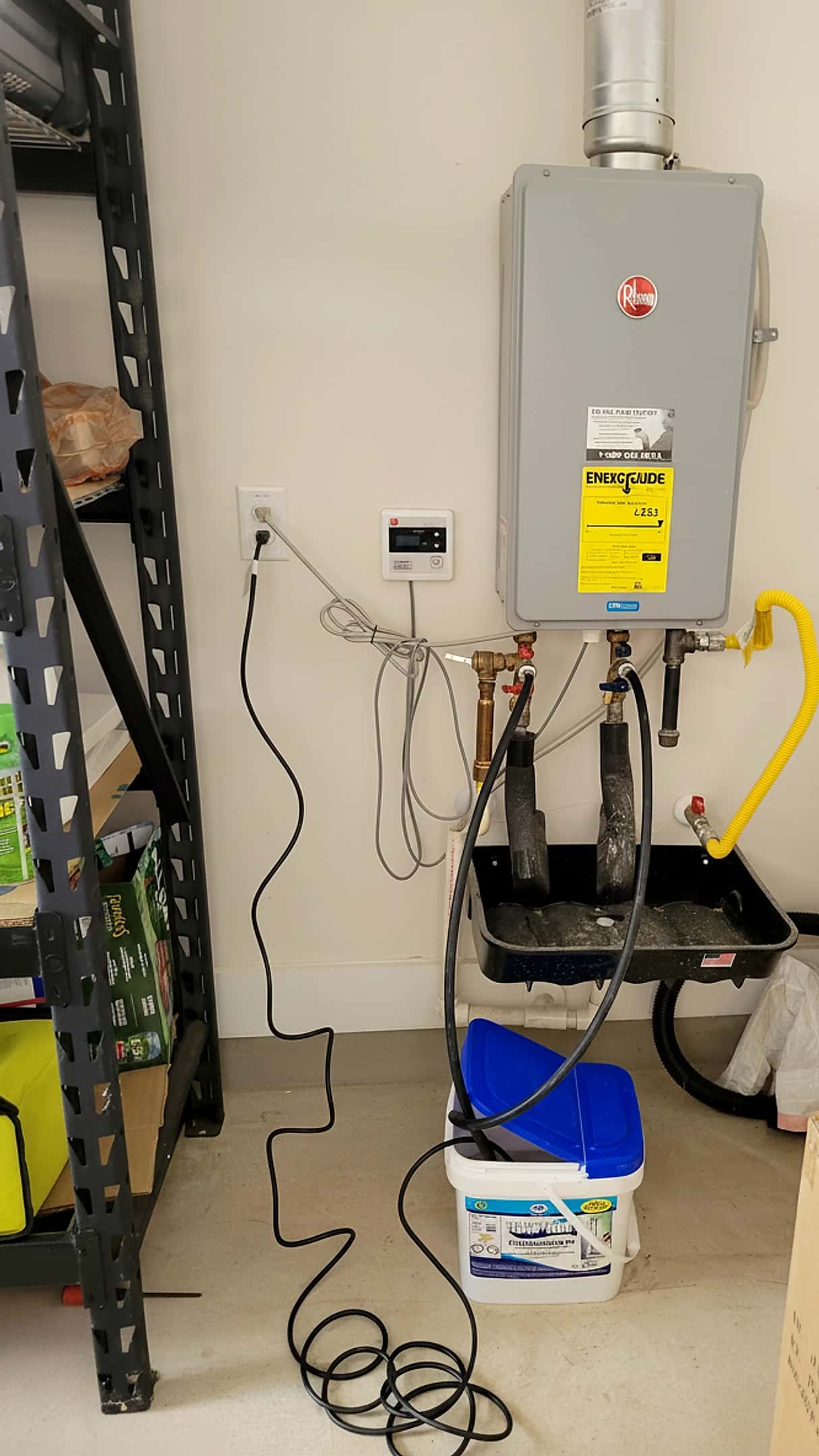
Living in Austin, many homeowners are familiar with the challenges that hard water presents when it comes to maintaining a healthy plumbing system. Hard water, prevalent in the Austin and Marble Falls areas, is notorious for its high mineral content, particularly calcium and magnesium. These minerals can take a toll on appliances, especially water heaters, significantly impacting their lifespan. ## Understanding Hard Water in Austin Austin's water supply is known for its hardness, with levels often surpassing 180 milligrams per liter. Hard water leaves deposits on pipes, fixtures, and appliances, causing a range of issues if not properly managed. ### How Hard Water Impacts Your Water Heater The high mineral content in hard water causes limescale build-up inside your water heater. This limescale acts as an insulator, reducing the efficiency of the heater by making it work harder to heat the same amount of water. - Reduced Efficiency: As limescale builds up, your heater uses more energy, leading to higher utility bills.
- Strain on Heating Elements: Over time, heating elements can become encased in limescale, eventually leading to failure.
- Corrosion: The presence of hard water can accelerate the corrosion of the heater’s internal components, shortening its overall lifespan. ## Common Signs Your Water Heater Needs Repair It's crucial to stay alert to any changes in your water heater's performance. Here are some signs that hard water might be affecting your system: ### Unusual Noises Scaling can cause popping or rumbling sounds in your water heater. This noise occurs when water is trapped under the mineral deposits and starts to boil. ### Rusty Water If you notice rusty or muddy water coming from your taps, this could be a sign of corrosion inside the heater, often exacerbated by hard water. ## Regular Maintenance Tips Maintaining your water heater can help mitigate some of the adverse effects of hard water. Here are a few tips: 1. Regular Flushing: Flushing your water heater at least once a year can help remove sediment and reduce limescale buildup.
- Install a Water Softener: Consider installing a water softener to reduce the overall hardness of your water supply.
- Inspect Anode Rod: Check and replace the anode rod as needed to prevent corrosion inside the tank. ## Austin-Specific Considerations The combination of Austin's hard water and hot climate poses unique challenges. Summer heat can exacerbate evaporation, leading to even more concentrated mineral deposits. ### Seasonal Water Heater Use During colder months, water heaters are used more frequently, and the added stress can amplify the problems caused by hard water. Regular checks are especially important before the winter season. ## Want service for Your Water Heater? If you're experiencing issues with your water heater and suspect hard water is to blame, it's time to take action. Our team at Economy Plumbing Services is ready to assist you. Call our team for practical guidance and repair services to extend the life of your water heater today!
Why Central Texas Conditions Matter
Water heaters in Austin and the surrounding area work against hard-water conditions that can shorten component life and reduce efficiency over time. Mineral scale builds on elements, tank bottoms, valves, and heat exchangers, and that changes performance long before a system fully fails. Households also put different seasonal demand on heaters, especially when guests, school schedules, or colder weather increase hot-water use.
That local pressure is why maintenance and timing matter so much here. A heater that might limp along elsewhere can become noisy, inefficient, or unreliable faster in a hard-water market. When a system already has age, scale, or leak history working against it, postponing service usually means losing the chance to choose the service option on your schedule.
When to Call a Plumber
The best time to schedule water heater service is usually before the system fully fails. Once hot-water recovery drops, noises increase, or moisture appears around the unit, you are already in the window where repair-versus-replace decisions matter. Waiting until there is no hot water at all removes options and usually adds urgency to the choice.
Using Water Heater Services or Water Heater Guide is the best way to compare what makes sense for your specific system. A professional look can tell you whether the current heater is worth servicing, whether scale has changed the equation, and whether replacement timing can still happen on your terms.
Helpful Service options
If you're comparing options for this water heaters issue, these pages go deeper:
- Water Heater Services — Repair, installation, and replacement for tank and tankless systems.
- Water Heater Guide — Buying guidance for sizing, fuel type, efficiency, and Central Texas hard-water tradeoffs.
Related Articles
Water Heater Repair or Replacement? 7 Signs It’s Time to Decide
Not sure whether to repair or replace your water heater? Learn the 7 warning signs that help homeowners in Austin and Marble Falls make the decision.
How to Select the Best Water Heater for Hard Water Conditions in Austin and Marble Falls
Discover the best water heater options for hard water areas like Austin and Marble Falls. Learn how to choose a model that withstands mineral build-up and ensures long-lasting efficiency.