
Your Guide to Is Hard Water Sabotaging Your Water Heater in Austin?
Living in Austin has its perks—the vibrant culture, the warm sunshine, and unfortunately, the hard water. Hard water contains high levels of minerals such as calcium and magnesium, which can wreak havoc on your plumbing systems, especially your water heater. Understanding how hard water affects your water heater can help you maintain it more efficiently and avoid costly repairs.
How Does Hard Water Affect Your Water Heater?
Hard water can cause several issues within your water heater that lead to inefficiency and premature failure. Over time, the minerals in hard water can accumulate, affecting the performance of your water heating system in several ways.
Mineral Buildup
- Sediment Accumulation: As hard water heats, minerals precipitate out and settle at the bottom of your water heater tank. This sediment buildup can act as an insulating barrier between the water and the heating element, reducing the efficiency of your heater.
- Heating Element Wear: In electric water heaters, sediment can cover the heating elements, causing them to overheat and burn out more quickly.
Reduced Efficiency
The sediment layers make your water heater work harder to heat the same amount of water, increasing energy consumption. This not only raises your utility bills but also shortens the lifespan of the appliance.
Common Signs Your Water Heater Needs Repair
It's critical to recognize the signs that your water heater might be struggling due to hard water.
Unusual Noises
When mineral deposits build up, you may hear a popping or rumbling sound when your heater is running. This noise comes from the water beneath the sediment layer boiling and is a clear indication that it's time for maintenance.
Rusty Water
Hard water can also cause corrosion over time, leading to rusty water appearing when you turn on the hot tap. If you notice rust coming from your hot water pipes, it may be time to inspect your water heater.
When to Call a Professional
If you've noticed any of the signs mentioned above, it's best to consult a professional plumber. They can help you with:
- Flushing the Tank: Regularly flushing your water heater can remove sediment and improve efficiency.
- Inspecting the Anode Rod: Hard water speeds up the corrosion of the anode rod, a crucial component in preventing tank corrosion. It's wise to have it inspected annually.
Austin-Specific Considerations
In Austin and Marble Falls, the hard water challenge is compounded by our warm climate. The heat can exacerbate the effects of mineral buildup, making regular maintenance even more critical. Investing in a water softener can be a wise decision to reduce the hardness of the water entering your system, thus minimizing damage to your water heater.
Need Help with Your Water Heater?
Dealing with hard water and its effects on your water heater can be challenging. If you suspect your water heater is being affected by Austin's hard water, don't wait for a minor issue to become a major problem. Call Economy Plumbing Services at (512) 368-9159 today! Our team of experts is ready to help you with all your plumbing needs.
Related Articles
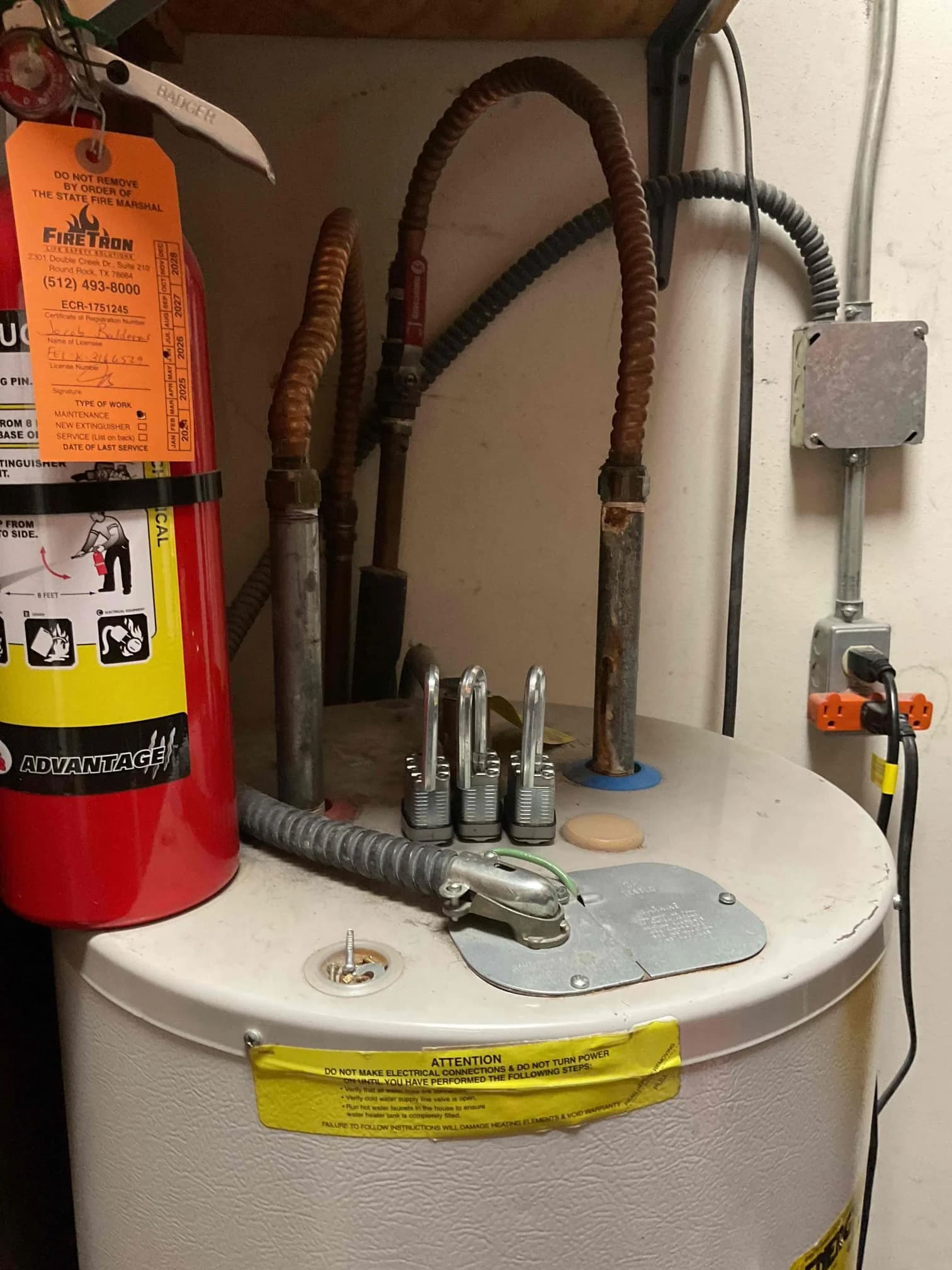
Tackling Water Heater Issues - From Corrosion to Repair S...
Discover how to handle water heater issues in Austin, from corrosion repair to dealing with hard water effects. Ensure your home stays cozy with these expert tips.
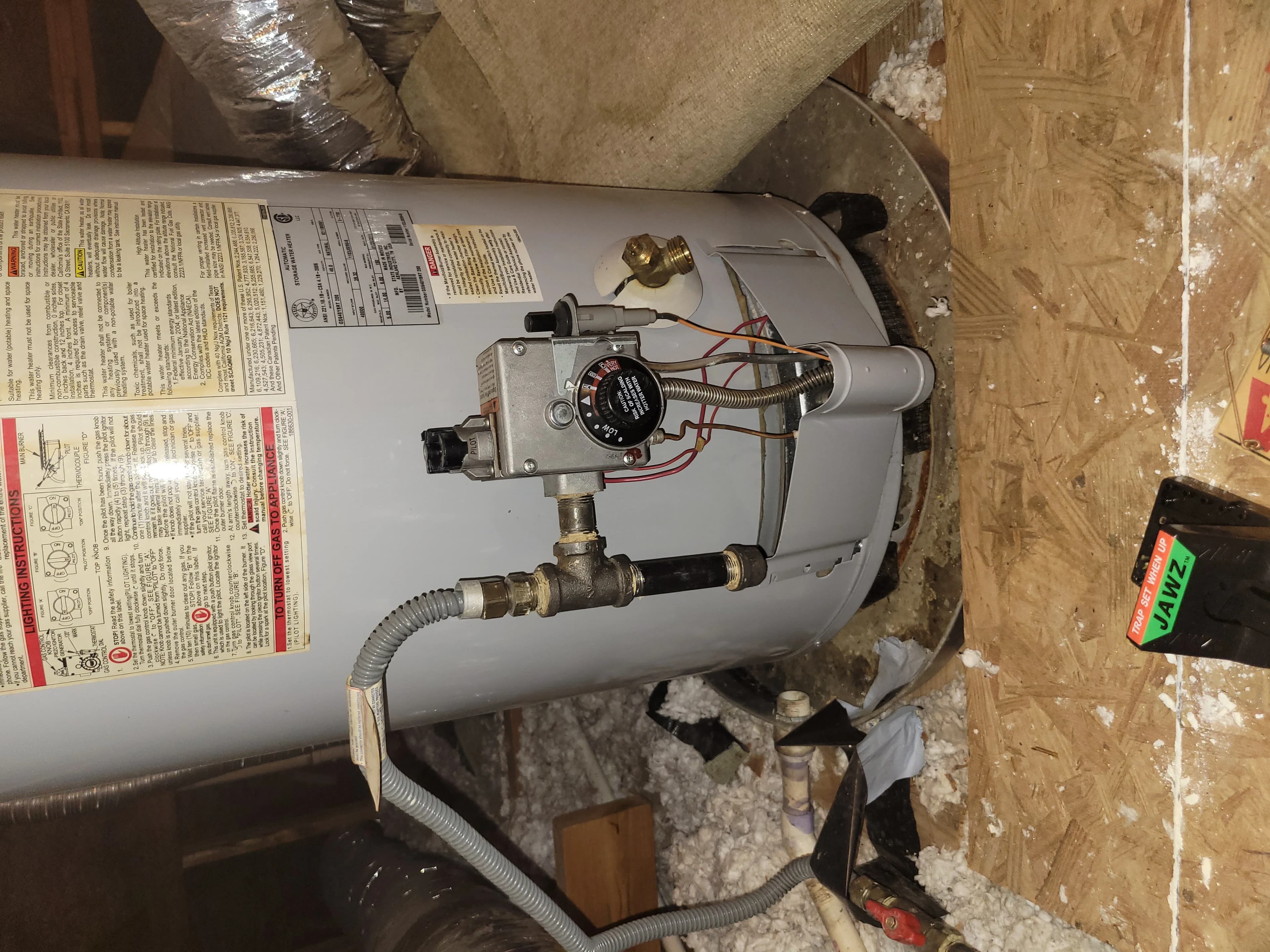
Is Your Water Heater Leaking? How to Spot and Fix Base Le...
Is your water heater leaking? Discover how to spot and fix base leaks in Austin homes, considering local conditions like hard water and heat.
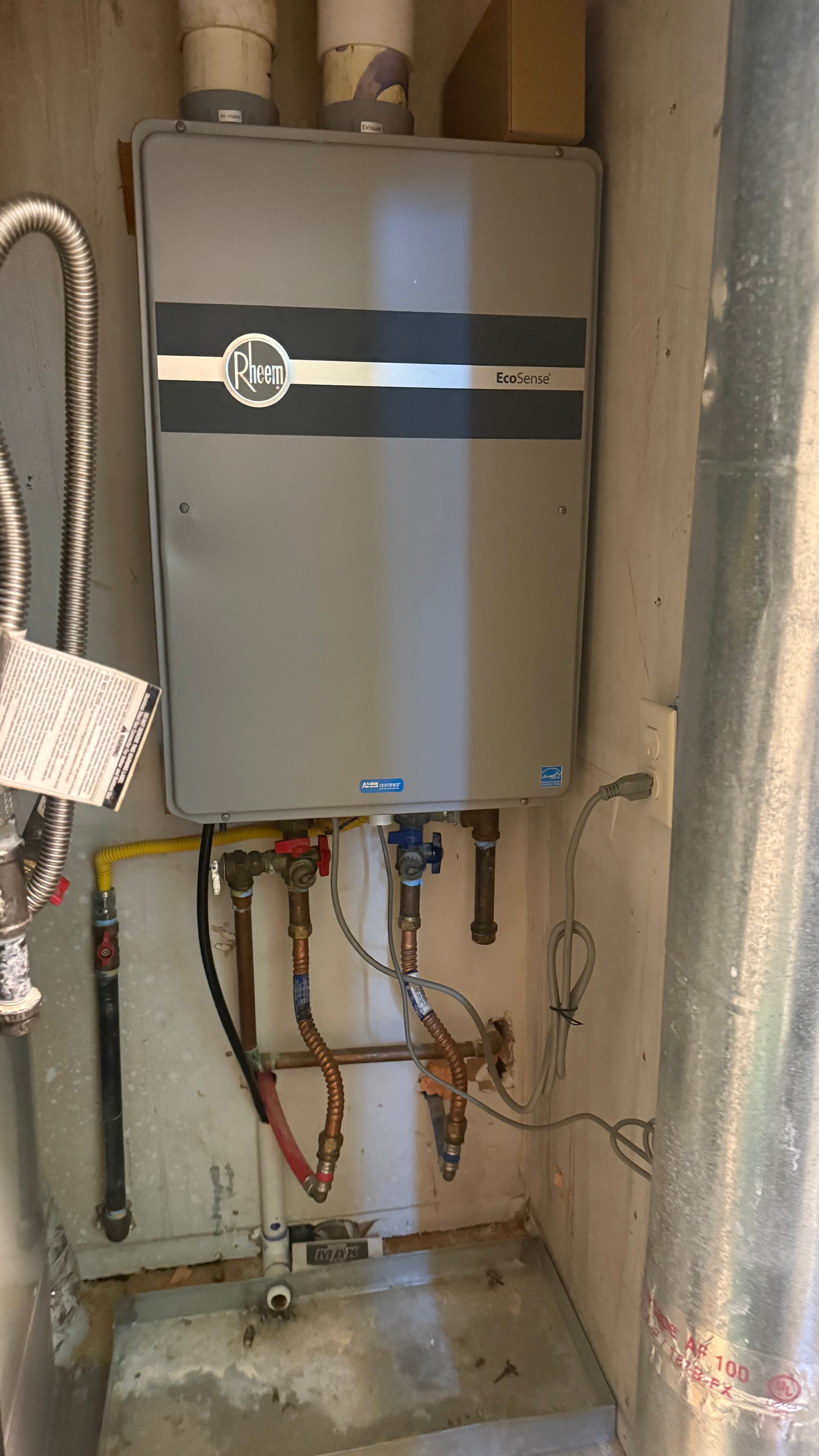
Avoid These Common Water Heater Installation Mistakes Homes
Avoiding common water heater installation mistakes in Austin can save money and stress. Learn how to properly size your heater, consider local water conditions, and ensure safe placement.