
Expert How Hard Water Can Ruin Your Water Heater: Tips
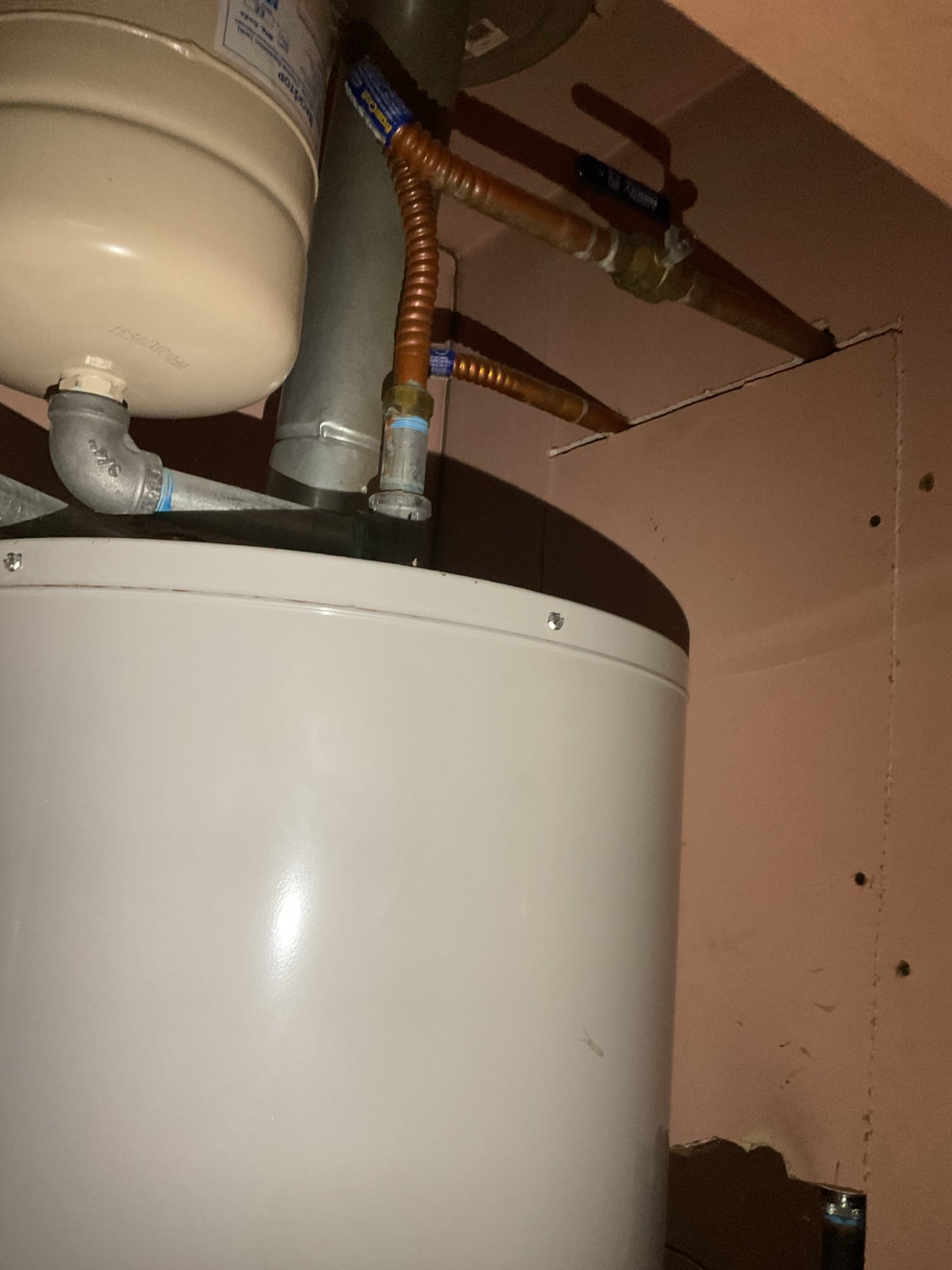
Living in the beautiful cities of Austin and Marble Falls comes with its own set of challenges, especially when it comes to maintaining your home's plumbing systems. One pesky problem many homeowners face is hard water and its damaging effects on water heaters.
Understanding Hard Water
Hard water is rich in minerals like calcium and magnesium, which can cause a variety of issues in your home. While not harmful to your health, hard water can wreak havoc on your plumbing systems, particularly your water heater.
What is Hard Water?
Hard water refers to water that has a high mineral content. When water percolates through limestone and chalk, it absorbs these minerals. In Austin and Marble Falls, hard water is a common issue due to the local geology.
Effects of Hard Water on Water Heaters
Hard water causes mineral buildup in your water heater, creating sediment layers. This buildup can reduce your heater's efficiency, increase energy bills, and lead to expensive repairs or replacements.
Common Signs Your Water Heater Needs Repair
Recognizing the signs of hard water damage early can save you time and money. Here are some tell-tale indicators that your water heater might be struggling with mineral buildup.
Unusual Noises
If you hear popping or rumbling sounds from your water heater, this is often due to sediment buildup at the bottom of the tank. As the heating element attempts to warm the water, the sediment shifts and causes noises.
Rusty Water
Rusty or discolored water coming from your taps is a sign that your water heater's anode rod might need replacing. This rod is crucial for preventing corrosion inside your heater.
Decreased Hot Water Supply
If you notice a sudden decrease in hot water availability, it could be due to sediment buildup taking up space inside the tank, reducing the water heater's capacity.
Tips for Preventing Hard Water Damage
While hard water is a persistent issue in Central Texas, there are steps you can take to minimize its impact on your water heater.
Regular Maintenance
Routine maintenance is key. Flushing your water heater at least once a year can prevent sediment buildup. This process involves draining the tank to remove the accumulated minerals.
Install a Water Softener
A water softener can help by removing the minerals that cause hardness. This system can be a worthwhile investment, especially if you plan to stay in your home long-term.
Austin-Specific Considerations
Given the heat and dry conditions in Austin and Marble Falls, water heater issues can sometimes be exacerbated. High temperatures can cause quicker evaporation of water inside your heater, leading to faster sediment deposition.
Winter, though milder compared to other regions, can also affect your water heater's efficiency. Ensuring proper insulation and timely maintenance can help manage these seasonal challenges.
Need Help with Your Water Heater?
If you're facing issues with your water heater or simply want to ensure it's functioning optimally, Economy Plumbing Services is here to help. For expert advice and service tailored to your home's needs, call us at (512) 368-9159 today!
Related Articles
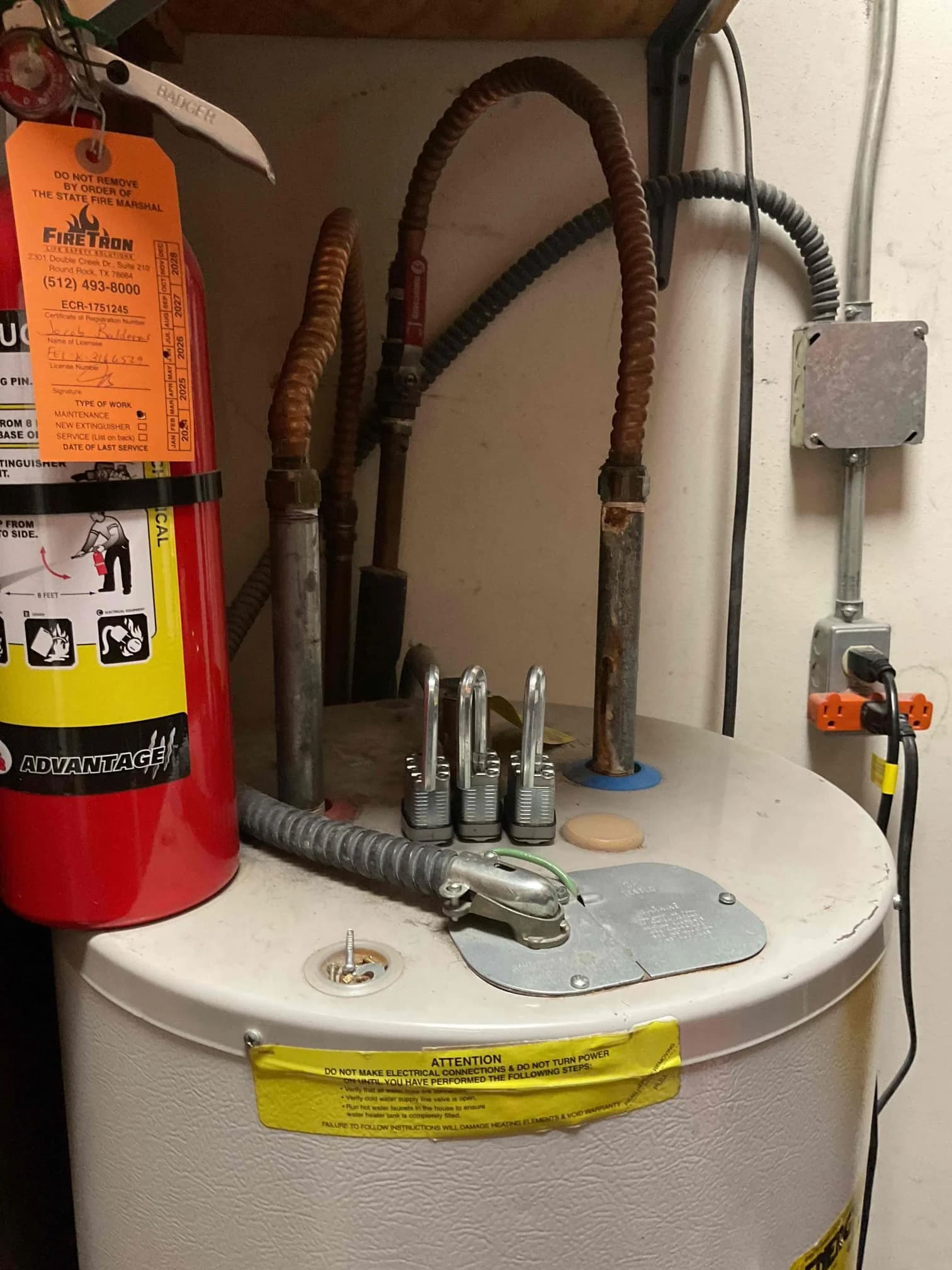
Tackling Water Heater Issues - From Corrosion to Repair S...
Discover how to handle water heater issues in Austin, from corrosion repair to dealing with hard water effects. Ensure your home stays cozy with these expert tips.
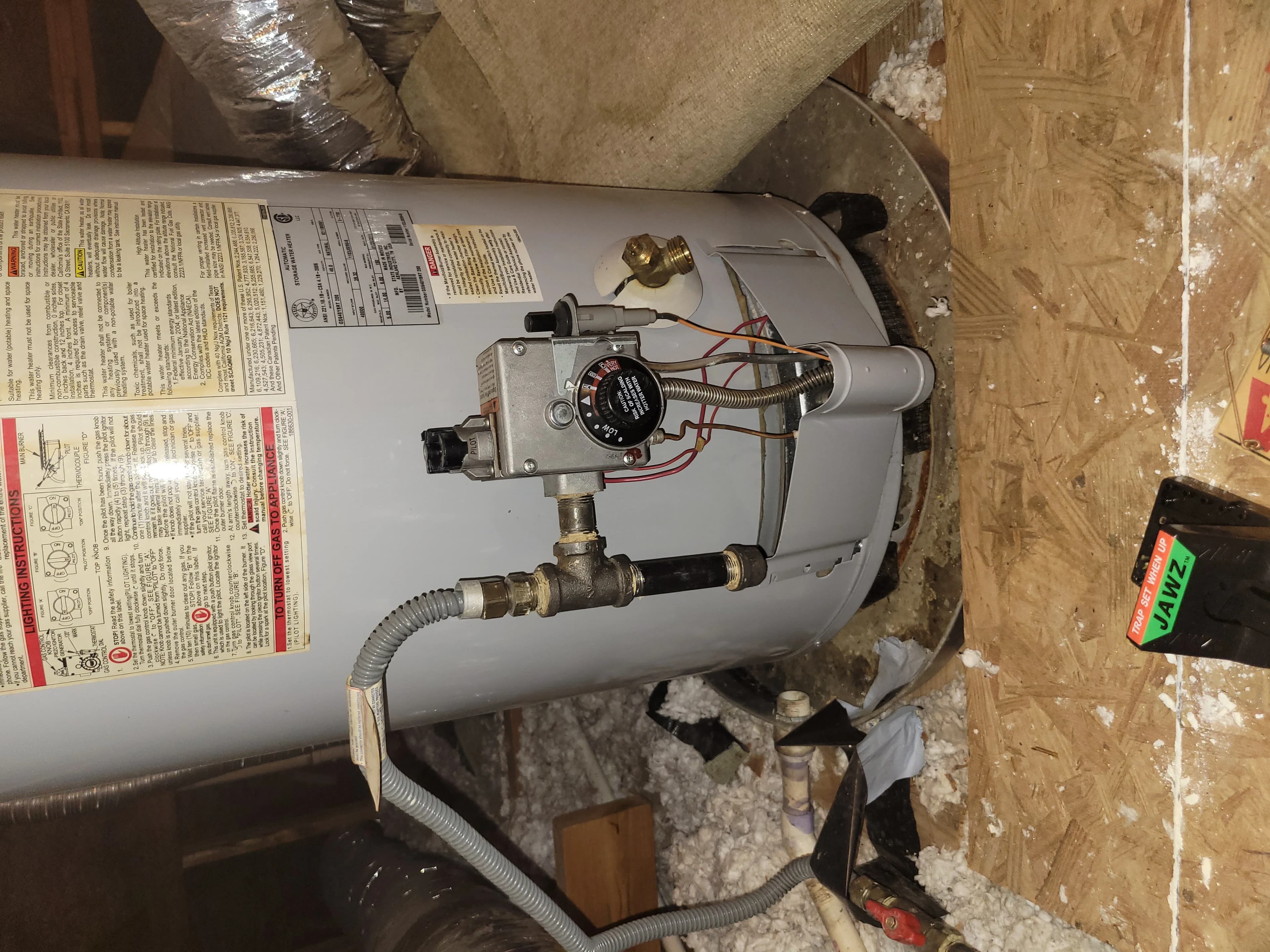
Is Your Water Heater Leaking? How to Spot and Fix Base Le...
Is your water heater leaking? Discover how to spot and fix base leaks in Austin homes, considering local conditions like hard water and heat.
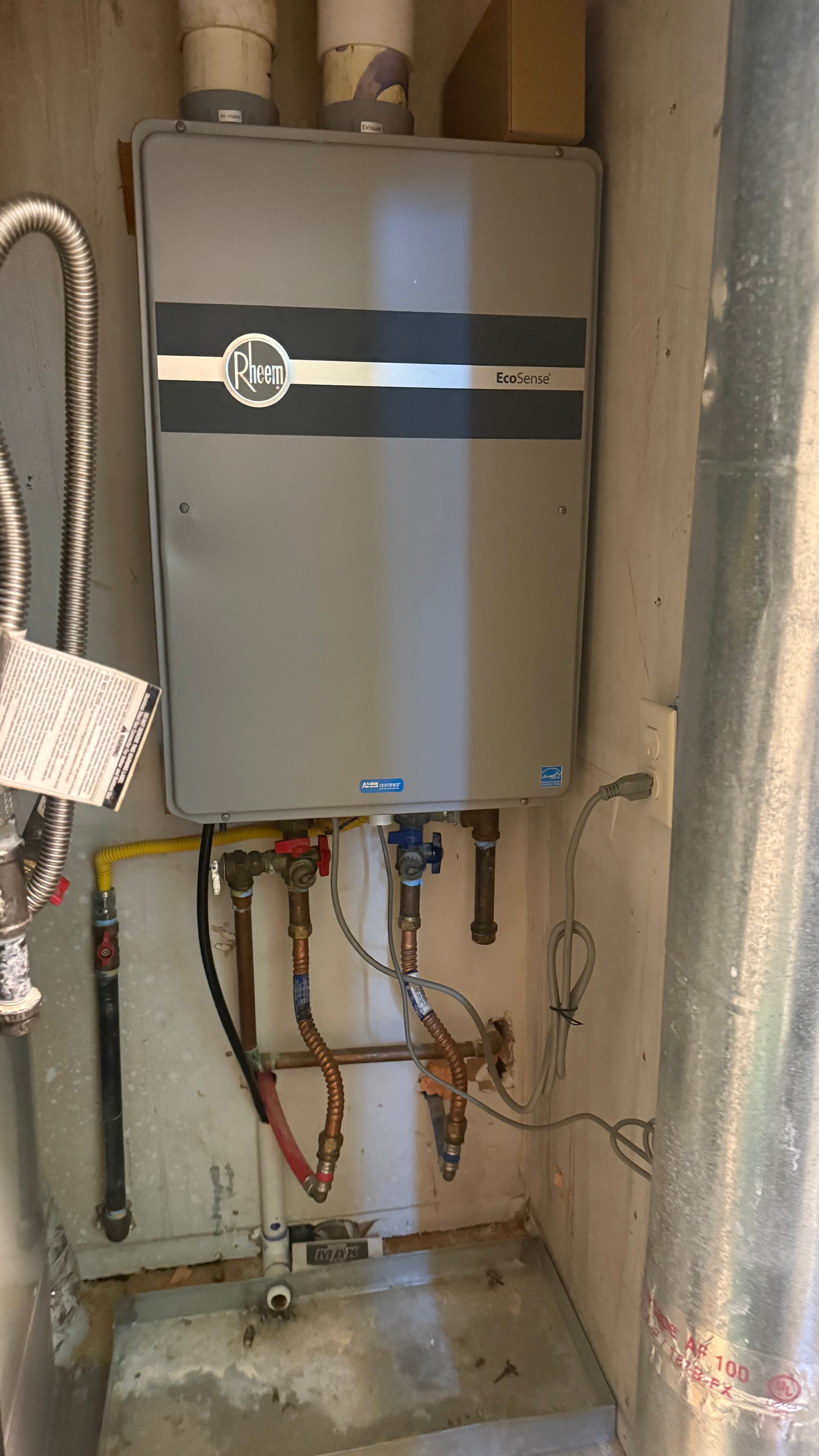
Avoid These Common Water Heater Installation Mistakes Homes
Avoiding common water heater installation mistakes in Austin can save money and stress. Learn how to properly size your heater, consider local water conditions, and ensure safe placement.