
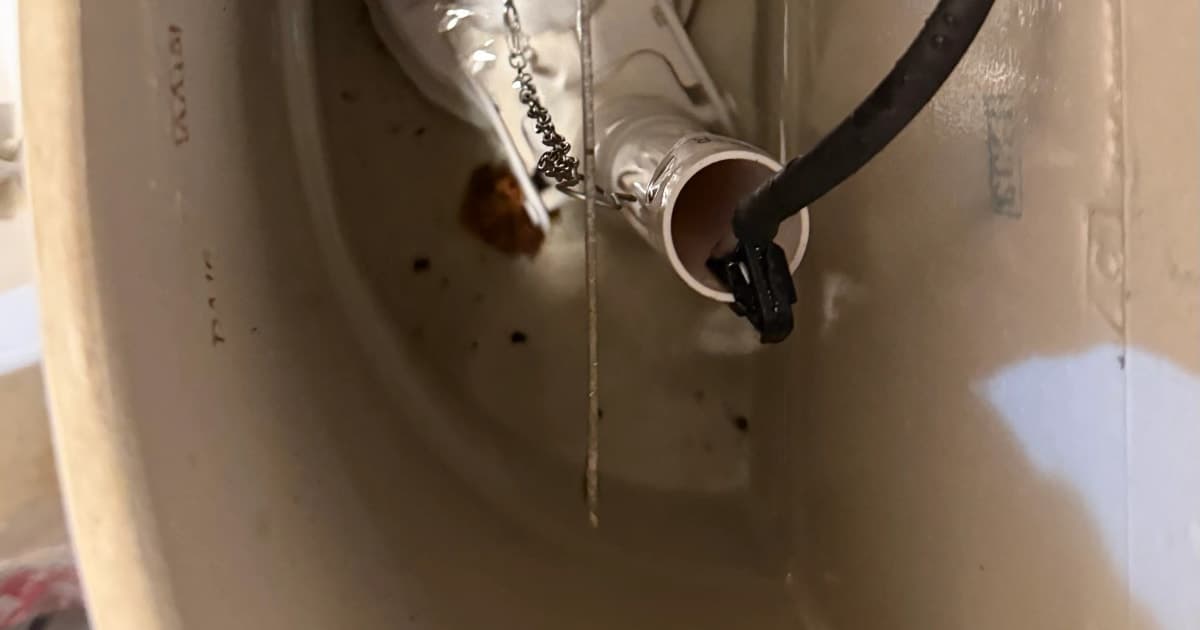
If you're living in Austin, you know that our hard water can be tough on plumbing fixtures, especially toilets. Running toilets and weak flushes are common issues that many homeowners face, and while they might seem like minor annoyances, they can lead to higher water bills and more significant plumbing problems if not addressed promptly. The hard water in Central Texas can cause the fill valve and flapper to wear out faster than expected, leading to refill problems that might require more than just a simple tweak or adjustment. When dealing with these toilet troubles, it's crucial to determine whether a quick DIY fix will suffice or if it's time to call in a professional for a more thorough tank rebuild. While replacing a flapper or adjusting the fill valve might temporarily solve the issue, recurring problems often indicate that a more comprehensive solution is needed. A tank rebuild can be a smarter long-term investment, preventing further issues and ensuring your toilet operates efficiently, saving you time and money in the long run. ## Common Toilet Tank Problems In Austin, the combination of hard water and wear-and-tear can lead to frequent toilet tank issues, such as running toilets and weak flushes. A running toilet often results from a faulty flapper or fill valve, both of which can degrade faster due to mineral buildup from hard water. This not only wastes water but can also increase your utility bills if left unchecked. Weak flushes, on the other hand, are typically caused by a malfunctioning fill valve or improper water level in the tank. When the water level is too low, the flush loses its power, making it difficult to clear the bowl effectively. Additionally, hard water deposits can clog the rim jets, further reducing the flush's efficiency. For DIY enthusiasts, replacing a flapper or adjusting the fill valve might be a straightforward fix. However, if these issues persist, it might be time to consider a full tank rebuild. Investing in a comprehensive repair can be more cost-effective in the long run, preventing repeated small fixes that only temporarily address the symptoms. When in doubt, consulting a professional plumber can help determine whether a simple repair or a full rebuild is the smarter choice for your Austin home. ## Signs a Toilet Tank Problem Is Getting Worse Homeowners in Austin may initially notice subtle changes in their toilet's performance, but these can quickly escalate if not addressed. A running toilet, for instance, might start as an occasional sound of water filling the tank, but over time, it can lead to constant water flow. This not only increases your water bill but also signals that components like the flapper or fill valve are wearing out, especially in areas with hard water like Austin. Hard water can cause mineral buildup, shortening the lifespan of these parts. Weak flushes are another red flag. If you find yourself flushing multiple times to clear the bowl, it's a sign that the flush valve or fill valve might be compromised. This can be due to sediment buildup or a misaligned flapper. Ignoring these signs can lead to more significant issues, such as a complete failure to flush or even water damage from overflow. Consider whether a DIY fix is sufficient or if a professional service call is warranted. A quick DIY check might involve adjusting the chain or cleaning the valve, but if problems persist, it may be time for a tank rebuild. This approach can be more cost-effective than repeated small fixes, especially when hard water conditions are a contributing factor. ## What You Can Check Safely Before you contact a plumber Before reaching for the phone, there are a few things you can check safely to determine if a simple fix is possible for your running toilet or weak flush issues. Start by inspecting the flapper valve, a common culprit in Austin homes due to our hard water. Over time, mineral deposits can cause the flapper to not seal properly, leading to continuous water flow. To check, simply remove the tank lid and observe if the flapper is closing completely after a flush. Next, examine the fill valve. Hard water can clog or wear down this component, affecting the refill rate and water level in the tank. Adjusting the float or cleaning the valve can sometimes resolve these issues. However, if you notice significant buildup or damage, it might be time to consider a replacement. While these checks can help, some problems like persistent leaks or multiple component failures may indicate the need for a full tank rebuild. This is often more cost-effective than repeated small fixes and ensures long-term reliability. If you're unsure or uncomfortable with these tasks, it's wise to consult a professional. For comprehensive assistance, explore our Austin drain cleaning to find a repair plan that fits the property for your Austin home. ## Austin Plumbing Factors That Affect Toilet Tanks Living in Austin, homeowners must contend with unique plumbing challenges that can significantly impact toilet tank performance. One of the primary concerns is the hard water prevalent in Central Texas. This mineral-rich water can lead to the rapid buildup of calcium and lime deposits, which can shorten the lifespan of toilet components like fill valves and flappers. These deposits can cause fill valves to malfunction, leading to inefficient refilling and persistent running water, while flappers may not seal properly, resulting in weak flushes. When dealing with these issues, it's crucial to consider whether a simple DIY fix will suffice or if it's time for a more comprehensive tank rebuild. If you find yourself frequently replacing parts due to hard water damage, a full tank rebuild might be a smarter long-term investment. This involves replacing all critical components with high-quality, hard water-resistant parts, ensuring better performance and fewer repairs down the line. For Austin residents, understanding these local factors can help in making informed decisions about toilet repairs. While DIY solutions can be effective for minor issues, persistent problems often warrant professional intervention to avoid recurring costs and potential water waste. ## DIY, Schedule Soon, or Treat It as Urgent? Determining the urgency of a toilet repair can be tricky, especially in Austin where hard water accelerates wear and tear on components like fill valves and flappers. If your toilet runs continuously, a simple DIY fix might suffice. Start by checking the flapper for mineral buildup or wear; sometimes, a good cleaning or replacement can solve the problem. However, if you notice a weak flush or frequent refill issues, it could indicate a more complex problem that requires professional assessment. For issues like intermittent running or minor refill delays, scheduling a service call soon can prevent further complications. These symptoms might seem minor now, but they often signal underlying issues that can escalate, leading to higher water bills or damage to the toilet's internal mechanisms. If you encounter persistent problems despite repeated DIY efforts, it might be time to consider a complete tank rebuild. This is especially true if you've already replaced components like the flapper or fill valve multiple times. An urgent service call is warranted if water is leaking onto the floor or if the toilet is unusable, as these issues can lead to significant water damage and increased utility costs. In such cases, professional intervention is not just advisable but necessary to prevent further damage. ## Need Help? If you're dealing with persistent running toilets or weak flushes in your Austin home, it might be time to consider a professional evaluation. While DIY fixes can address minor issues, the hard water common in Austin can accelerate wear on crucial components like fill valves and flappers, making a more comprehensive tank rebuild a smarter long-term investment. For those unsure whether a quick fix or a full rebuild is the best course of action, our Austin plumber can provide guidance tailored to your situation. Remember, addressing these issues promptly can prevent higher water bills and more extensive repairs down the line. Reach out to a trusted local plumber to ensure your toilet functions efficiently and effectively.
← All posts
Repair Running Toilets & Weak Flushes in Austin
Discover how Austin's hard water impacts toilet repairs. Learn DIY fixes for running toilets and weak flushes, and when to consider a professional service.
Plumbing problem? We can help.
Master plumbers in Austin & Marble Falls since 2012. Upfront pricing, booked in minutes.