
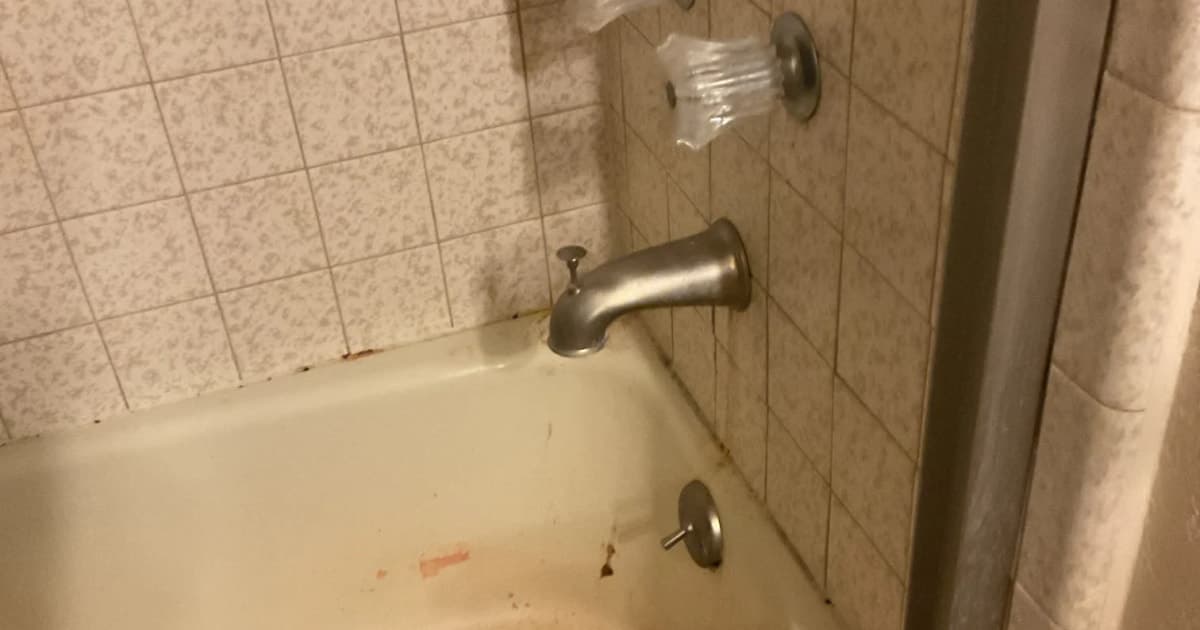
A leaky bathtub can quickly turn from a minor annoyance into a major home repair if not addressed promptly. In the humid climate of Austin, even a small leak can lead to significant moisture damage, encouraging mold growth and structural issues. Understanding the different types of bathtub leaks is crucial for homeowners looking to maintain their bathrooms and prevent costly repairs. Whether it's a simple caulk issue or something more complex like a hidden supply line leak, each type requires a specific approach for effective diagnosis and repair. In this article, we'll guide you through identifying the signs of various bathtub leaks. From spotting the telltale signs of a failing caulk seal to diagnosing more insidious problems like drain and overflow leaks, or even those elusive behind-the-wall supply leaks, our aim is to equip you with the knowledge to tackle these issues head-on. By distinguishing between cosmetic water escape and hidden plumbing leaks, you'll be better prepared to protect your home from the hidden dangers of moisture damage. ## Where Bathtub Leaks Usually Start Understanding where bathtub leaks commonly originate is crucial for effective diagnosis and repair. One of the most frequent culprits is deteriorating caulk around the tub's edges. Over time, caulk can crack or peel away, allowing water to escape onto your bathroom floor. This type of leak is generally visible and relatively easy to fix with a fresh application of caulk. Another common source of leaks is the drain. If the seal around the drain becomes compromised, water can seep underneath the tub, leading to hidden moisture damage. To check for this, fill the tub with water and observe if any water leaks from the drain area. If you notice water pooling or dripping, it's time to inspect the drain gasket or call a professional. Overflow leaks occur when the overflow pipe, designed to prevent overfilling, fails. This can happen if the gasket behind the overflow plate is worn out. To test, fill the tub above the overflow level and watch for any leaks around the plate. Lastly, leaks might originate from behind-the-wall supply lines. These are often the most challenging to detect, as they can cause significant damage before becoming apparent. Look for signs like unexplained water stains or mold on walls adjacent to the bathroom. Addressing these issues promptly can save you from costly repairs. ## Signs the Leak Is Escaping Beyond the Tub As a homeowner in Austin, it's crucial to recognize the early signs of a bathtub leak to prevent extensive water damage. One of the first indicators of a leak escaping beyond the tub is the presence of water stains or discoloration on the walls or ceiling below the bathroom. This often suggests a drain or overflow leak, where water is seeping through the plumbing connections or around the overflow gasket. Another telltale sign is the development of mold or mildew in areas not directly exposed to water, such as the outer edges of the tub or the adjacent walls. This can indicate a more insidious problem, like a behind-the-wall supply leak, where water is continuously dripping from pipes hidden from view. Additionally, if you notice the flooring near the bathtub is starting to warp or become soft, it could be a sign that water is escaping beneath the tub, possibly due to a failing seal or caulk. To help you identify these issues before they escalate, keep an eye out for: - Persistent musty odors in the bathroom - Peeling paint or wallpaper near the tub - Unexplained increases in your water bill By staying vigilant and recognizing these signs early, you can address potential leaks promptly and avoid costly repairs. ## What You Can Check Safely Before Opening Walls Before you consider opening up walls to address a bathtub leak, there are several checks you can perform safely and effectively. First, inspect the caulking around your bathtub. Over time, caulk can deteriorate, leading to water escaping the tub area. If you notice gaps or moldy spots, re-caulking might be a simple fix to prevent further water escape. Next, examine the drain and overflow areas. Remove the drain cover and look for any visible signs of leaks or blockages. Ensure the overflow gasket is intact and properly sealed, as this can often be a source of hidden leaks if not maintained. For more complex issues, such as supply line leaks hidden behind walls, it's usually best to consult professionals. These leaks can cause significant damage if left unchecked and are not worth the DIY risk. If you suspect a behind-the-wall leak, it's time to seek expert help. Consider our Leak Repair Services to address these potentially damaging issues before they escalate. By focusing on these initial checks, you can differentiate between minor, cosmetic water escapes and more serious plumbing leaks, helping to protect your home from hidden moisture damage. ## Why Leak Damage Around Tubs Gets Expensive Fast in Central Texas Homes In Austin and the broader Central Texas area, the combination of high humidity and fluctuating temperatures can exacerbate the impact of bathtub leaks, leading to costly damage if not addressed promptly. Unlike in drier climates, even minor leaks can lead to significant mold growth and structural damage due to the region's propensity for retaining moisture. This makes distinguishing between cosmetic water escapes and hidden plumbing leaks crucial for homeowners. A common issue in Central Texas homes is the tendency for caulk to fail due to temperature swings, which can be mistaken for more serious plumbing problems. However, the real concern often lies with hidden leaks behind walls, such as those from faulty drain connections or compromised supply lines. These leaks can go unnoticed until they cause extensive damage, such as rotting wood or mold infestations. To prevent these costly issues, homeowners should regularly inspect their tubs for signs of caulk deterioration and test their drains for leaks. If water stains appear on ceilings or walls below bathrooms, it's a strong indicator of a more serious problem that requires professional assessment. By taking proactive measures, Austin residents can mitigate the risk of expensive repairs and maintain the integrity of their homes. ## DIY, Schedule Soon, or Treat It as Urgent? Determining the urgency of a bathtub leak in your Austin home can save you from costly repairs down the line. Start by assessing the nature of the leak. If water is escaping from worn-out caulk around the tub, this is typically a DIY fix. Re-caulking can be done with minimal tools and effort, making it a manageable weekend project. However, if you notice water pooling around the drain or suspect an overflow leak, it's wise to schedule a professional inspection soon. These issues may indicate a need for more extensive repairs, especially if the leak is persistent or worsening. Delaying could lead to more significant water damage, particularly in Austin's humid climate where mold can rapidly develop. For leaks that appear to originate from behind the wall, such as supply line issues, treat these as urgent. Hidden leaks can cause structural damage and create an environment for mold growth, which is both a health hazard and a costly repair. If you notice water stains on walls or ceilings adjacent to the bathroom, or if your water bill unexpectedly spikes, it's crucial to contact a professional plumber immediately to prevent extensive damage. ## Need Help? If you've identified signs of a bathtub leak but aren't sure about the service options, help from a licensed plumber can make all the difference. Whether it's a minor caulk issue or a more serious behind-the-wall supply leak, addressing the problem promptly can prevent costly damage to your home. Austin's unique climate can exacerbate hidden moisture issues, so it's crucial to act quickly. For those times when a leak feels overwhelming, our Emergency Plumbing services are available to help you tackle urgent situations with confidence. Our team of experienced plumbers is ready to provide the expertise you need to ensure your home's plumbing is in top shape. Don't let a simple leak escalate into a major repair—reach out today for a clearer plan and effective solutions.
← All posts
Austin Bathtub Leak Diagnosis: Signs & Solutions
Identify bathtub leaks in Austin. Learn to spot caulk, drain, and hidden supply leaks to prevent moisture damage. Practical, focused solutions inside.
Plumbing problem? We can help.
Master plumbers in Austin & Marble Falls since 2012. Upfront pricing, booked in minutes.