
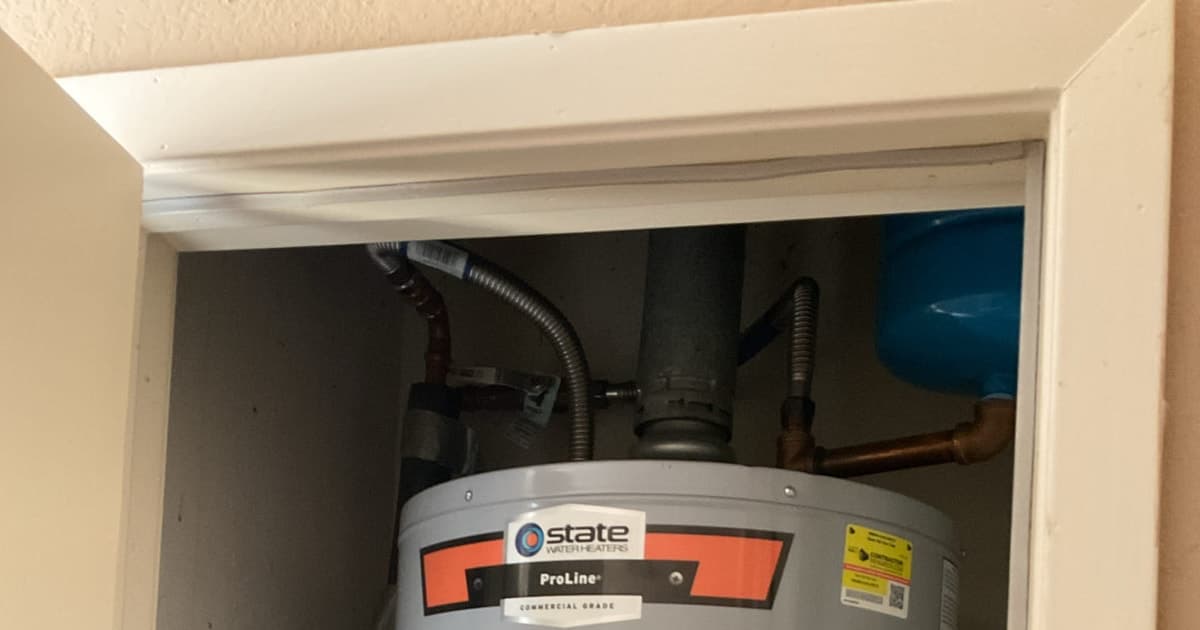
The water heater is one of the most essential appliances in any Austin home, providing hot water for showers, dishwashing, and laundry. However, the unique climate conditions in Austin, including high temperatures and hard water, can significantly impact your water heater's lifespan. ## The Role of Austin's Heat on Your Water Heater The scorching summer heat in Austin can take a toll on your water heater. While it may seem that warm temperatures could make your heater work less, the opposite is often true. In fact, high ambient temperatures cause: - Increased pressure within the water heater: As the water temperature rises, so does the pressure inside the tank, which can lead to leaks and even damage over time. - Efficiency issues: The higher the external temperature, the harder your water heater has to work to maintain consistent water temperature, reducing its efficiency and potentially shortening its lifespan. ### Tips to Combat Heat Stress - Install insulation blankets: Insulating your water heater can help maintain optimal temperatures without overworking the system. - Regular maintenance checks: Consider more frequent maintenance during peak summer months to check for signs of wear and tear. ## The Impact of Hard Water in Austin Austin is notorious for hard water, which contains high levels of minerals such as calcium and magnesium. These minerals can wreak havoc on your water heater, causing: - Buildup of mineral deposits: Over time, these deposits can insulate the heating element, making your heater work harder and less efficiently. - Corrosion: Hard water can accelerate corrosion inside the tank, leading to leaks and eventual failure. ### Strategies for Managing Hard Water 1. Install a Water Softener: This device can help reduce the mineral content in your water. 2. Regular Flushing: Flushing your water heater every few months can help remove sediment and extend its life. ## Seasonal Issues Affecting Water Heater Lifespan The alternating warm and cold seasons in Austin can create additional stress on your water heater. Here are some seasonal issues to watch for: ### Winter Concerns - Temperature fluctuations: Cold snaps can lead to frozen pipes and added strain on your water heater. - Increased usage: More hot water may be required during colder months, causing the heater to work overtime. ### Summer Challenges - Overuse during heat waves: With everyone trying to cool down, the demand for showers and laundry increases, leading to potential overuse. ## When to Call a Professional Recognizing the signs that your water heater might be on its last legs can save you from cold showers or worse. Here are some common indicators: - Lukewarm Water: If your water isn’t as hot as it used to be, it might be time for an inspection. - Strange Noises: Banging or popping sounds can indicate sediment buildup. - Rusty Water: Discolored water is often a sign of corrosion inside the tank. ## Austin-Specific Considerations Living in Austin means being aware of how local conditions affect your home appliances. By understanding the impact of heat, hard water, and seasonal changes, you can take proactive steps to extend the life of your water heater. ## Want service for Your Water Heater? If you're experiencing any issues with your water heater or simply want to conduct a maintenance check, call when you are ready. Call Economy Plumbing Services at our team today for practical guidance and assistance!![General related photo]() ## Why Central Texas Conditions Matter Water heaters in Austin and the surrounding area work against hard-water conditions that can shorten component life and reduce efficiency over time. Mineral scale builds on elements, tank bottoms, valves, and heat exchangers, and that changes performance long before a system fully fails. Households also put different seasonal demand on heaters, especially when guests, school schedules, or colder weather increase hot-water use. That local pressure is why maintenance and timing matter so much here. A heater that might limp along elsewhere can become noisy, inefficient, or unreliable faster in a hard-water market. When a system already has age, scale, or leak history working against it, postponing service usually means losing the chance to choose the service option on your schedule. ## When to Call a Plumber The best time to schedule water heater service is usually before the system fully fails. Once hot-water recovery drops, noises increase, or moisture appears around the unit, you are already in the window where repair-versus-replace decisions matter. Waiting until there is no hot water at all removes options and usually adds urgency to the choice. Using Water Heater Services or Water Heater Guide is the best way to compare what makes sense for your specific system. A professional look can tell you whether the current heater is worth servicing, whether scale has changed the equation, and whether replacement timing can still happen on your terms. ## Helpful Service options If you're comparing options for this water heaters issue, these pages go deeper: - Water Heater Services — Repair, installation, and replacement for tank and tankless systems. - Water Heater Guide — Buying guidance for sizing, fuel type, efficiency, and Central Texas hard-water tradeoffs.
← All posts
Why Austin's Climate Impacts Your Water Heater's Lifespan
See how Austin's climate affects water heater lifespan, maintenance needs, and the warning signs that service may be due.
Plumbing problem? We can help.
Master plumbers in Austin & Marble Falls since 2012. Upfront pricing, booked in minutes.